
Depo-Provera Lawsuit

Investigating Claims of Meningioma in Women

Gingras, Thomsen & Wachs is currently investigating claims concerning women who used the birth control shot Depo-Provera, and later developed brain or spinal tumors, also known as meningiomas.

Free, No-Obligation Evaluation

Request a free, no-obligation evaluation of your potential claim.

What is Depo-Provera?

Depo-Provera is a birth control medication, typically administered to women as a shot every three months.


Diagnosed with a meningioma after taking Depo-Provera? Get the legal help you deserve. Call 800-207-6225 or submit our form for a free case evaluation.

Attorney Jessie Weber

Jessie Weber
Attorney

Attorney Mark Thomsen

Mark Thomsen
Attorney

Ready to explore your legal options?
Speak with an experienced attorney at Gingras, Thomsen & Wachs today.

Request a Free Case Review So We Can Fight for You

Provide your details below for a free, no-obligation evaluation of your potential claim.

What is

Depo-Provera?

Depo-Provera is a birth control medication, typically administered to women as a shot every three months.
Depo-Provera has been promoted as an effective and simple birth control medication, but alarming evidence reveals that women face a dramatic risk of developing tumors.

A study published in the British Medical Journal revealed that women who frequently received Depo-Provera face a 555% increased risk of developing meningiomas (tumors). Depo-Provera is manufactured by Pfizer Inc., but is also sold by authorized generic companies. Current U.S. labels do not include warnings about this risk, but labels in Europe and Canada do.

How to know if I was affected?

What is Depo-Provera?

Symptoms of Tumors Linked to Depo-Provera

If you’ve used Depo-Provera, watch for symptoms that could indicate a meningioma, including:

Persistent Headaches

Persistent Headaches

Vision Loss

Vision Loss

Seizures

Seizures

Memory Problems

Memory Problems

Request a

Free Case Evaluation Today

It costs you nothing to learn your legal options. If you or a loved one were diagnosed with a meningioma after using Depo-Provera, call 608.833.2632 for a free, zero-obligation case review.

Depo-Provera FAQs

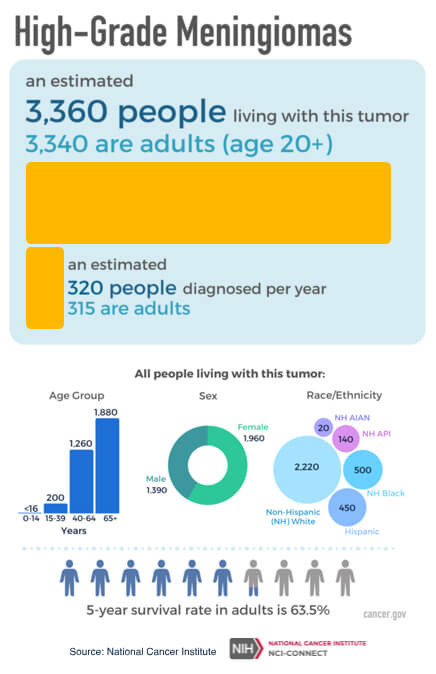
According to the National Cancer Institute (NCI), a meningioma is a primary central nervous system tumor that forms in the meninges—the protective tissue layers covering the brain and spinal cord. Meningiomas are the most common type of primary brain tumor. While the majority of these tumors are non-cancerous (benign) and slow-growing, they can grow large enough to press on the brain or spinal cord, causing serious, life-altering neurological or physical issues.

Depo-Provera (medroxyprogesterone acetate) is a widely used injectable contraceptive that contains a high dose of progestin. Recent medical studies and scientific literature have raised concerns that prolonged use of certain progestin-based medications, including the Depo-Provera shot, may be linked to an increased risk of developing meningiomas.

No. The NCI categorizes meningiomas into three grades. Most are Grade 1, which are benign and grow slowly. However, there are also Grade 2 (atypical) and Grade 3 (malignant/anaplastic) meningiomas, which grow faster and are more likely to return after treatment. Even benign (Grade 1) tumors can be highly dangerous and require invasive brain surgery if they begin pressing on vital brain structures, nerves, or blood vessels.

Because meningiomas typically grow slowly, symptoms may develop gradually. Depending on where the tumor is located in the brain or spine, symptoms can include:

  • Persistent headaches (often worse in the morning)

  • Vision changes, such as blurred or double vision

  • Hearing loss or ringing in the ears

  • Seizures

  • Weakness in the arms or legs

  • Numbness or paralysis

  • Changes in personality, behavior, or memory

  • Nausea and vomiting

Treatment depends on the size, location, and grade of the tumor, as well as the patient’s overall health. Options often include watchful waiting (active observation) for very small tumors, invasive neurosurgery to remove the tumor, or radiation therapy to stop the tumor from growing. Many patients face a long road to recovery following brain surgery.

Women who used the Depo-Provera birth control shot—especially those who received the injections over a prolonged period of time—and were subsequently diagnosed with a meningioma may be eligible for compensation. If you or a loved one falls into this category, our legal team can evaluate your case to determine if the manufacturer failed to provide adequate warnings about the risks associated with this contraceptive.

Drug manufacturers have a legal duty to adequately warn patients and healthcare providers about the potential risks and side effects of their medications. The current investigations center on whether the manufacturers of Depo-Provera knew or should have known about the potential link between their progestin injections and meningiomas, and whether they failed to properly warn women of this serious risk.

Yes. Every state has a “statute of limitations,” which sets a strict legal deadline on how long you have to file a product liability lawsuit after suffering an injury or discovering the cause of your injury. Because these deadlines vary by state, it is important to contact an attorney as soon as possible to ensure your right to seek justice is protected.

Facebook-circled Facebook-circled
Linkedin-circled Linkedin-circled
Instagram Instagram
Youtube-play Youtube-play
Rss Rss
101 Putnam St
P.O. Box 390

Eau Claire, WI 54703

8150 Excelsior
Drive

Madison, WI 53717

219 N Milwaukee St
Suite 520

Milwaukee, WI 53202

Nationally Recognized Law Firm

Super Lawyers - profiles.superlawyers.com