
Photo of dog showing it's teeth
Rottweilers are a breed that tend to spark strong opinions. Upon hearing the term “Rottweiler,” some people immediately picture a fierce, intimidating guard dog. Others light up, telling you how gentle and goofy their Rottweiler is with their kids. So, what’s the truth here?

Are Rottweilers actually dangerous? Or are they just misunderstood because of how they look and the stories we’ve heard? Let’s find out.

Rottweiler Breed Characteristics

Rottweilers are big, strong, and powerful. They were originally bred to herd cattle and pull carts, so they have always been working dogs. But don’t let their looks fool you. They’re also known for being fiercely loyal, affectionate with their people, and playful once you get to know them.

A well-raised Rottweiler can be calm, confident, and incredibly loving. But they’re not the kind of dog you can just adopt and hope for the best. They need structure, clear boundaries, and early training. Without that, things can go awry.

Why Do People Think Rottweilers Are Dangerous?

The reputation about Rottweiler aggression issues didn’t come out of nowhere. Rottweilers have made the news plenty of times because of serious bite incidents. And when they bite, the injuries tend to be severe. Not because they’re evil, but because they’re big, strong, and built to protect.

Unfortunately, it’s that strength that gets them into trouble. Combine that with poor training or irresponsible ownership, and you’ve got a recipe for disaster. And when something does go wrong, it usually ends up on the evening news or in a viral headline.

But here’s the thing: a dog’s behavior is shaped more by its environment than its breed. Any dog can become aggressive if it’s neglected, abused, or encouraged to act that way. Rottweilers just happen to be more dangerous when they bite, because of their size and power.

Are Rottweilers Banned in Wisconsin?

There’s no statewide ban on Rottweilers in Wisconsin. Therefore, you can own a Rottweiler in most places. However, some cities and towns have their own local rules, and that’s where things can get tricky.

In certain areas, Rottweilers are lumped in with other so-called “dangerous breeds” like pit bulls, wolf hybrids, and mastiffs. Depending on where you live, you might need to:

  • Register your Rottweiler as a restricted breed
  • Keep them muzzled in public
  • Install a special fence or enclosure
  • Carry extra liability insurance

So before bringing a Rottweiler into your life, it’s smart to check your local ordinances. Doing so could save you a huge headache (or even a legal battle) down the road.

What Does Wisconsin Law Say About Dog Bites?

In Wisconsin, the law doesn’t play favorites. It doesn’t matter if your dog is a Rottweiler or a tiny Chihuahua. If it bites someone, you’re legally responsible.

Under Wisconsin Statute § 174.02, dog owners are strictly liable for injuries their dogs cause. That means you can be held responsible for medical bills, lost wages, and pain and suffering, even if your dog never showed aggression before.

Here’s where it gets more serious: if your dog has bitten someone in the past, and it happens again, the victim may be entitled to double the damages. That can add up fast, especially if the injuries are severe.

Whether your dog is a Rottweiler or any other breed, the message is clear: you’re on the hook if they injure someone.

What Happens If a Rottweiler Is Declared “Dangerous”?

If a Rottweiler bites someone or shows aggressive behavior, particularly if there’s a history, animal control or the courts can label the dog as “dangerous.” Once that label about Rottweiler temperament sticks, life changes fast.

Depending on the ruling, the owner may be required to:

  • Muzzle the dog in public
  • Install warning signs at home
  • Build a specific type of enclosure
  • Buy high-risk dog insurance
  • In extreme cases, surrender or euthanize the dog

Proper Pet Handling, Training, and Early Socialization Are Essential

When people talk about dog breeds and whether a certain type is a dangerous dog breed, it’s easy to jump to conclusions, especially after hearing about dog bites or reading headlines about fatal dog attacks. But truthfully, most dog bite incidents or even fatal attacks come down to neglect and abuse by the owner, not the breed itself.

Sure, some strong dogs like Rottweilers or German Shepherds have powerful bite force and protective instincts, but with early socialization, proper training, and mental and physical stimulation, these dogs can be incredible family pets. Even breeds generally labeled as aggressive or seen as inherently dangerous can thrive in the right environment.

The American Kennel Club emphasizes responsible ownership and notes that even police dogs, which are known for their strength, are safe when properly trained. The real risks tend to come from unfamiliar dogs without structure or discipline. So while some large dogs may have aggressive tendencies, they usually do not pose a threat so long as their owner is diligent and not neglectful.
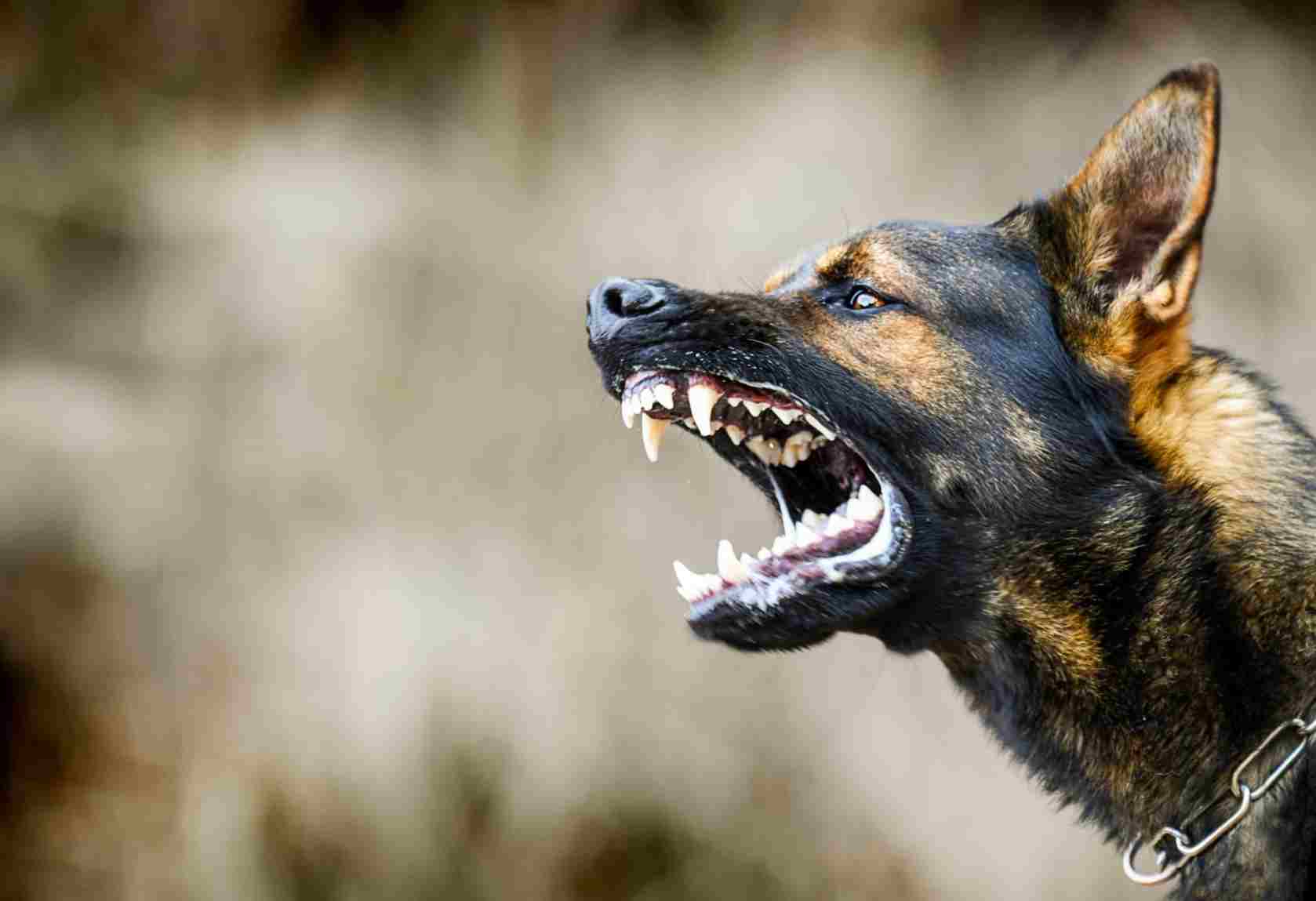
Angry dog showing it's teeth

If You’re Bitten or Attacked by a Rottweiler, What Are Your Rights?

If you’re injured by a Rottweiler in Wisconsin, you have the legal right to file a claim against the dog’s owner. And remember: you don’t have to prove the owner was negligent. Wisconsin law says they’re liable no matter what.

That said, you still need solid evidence. The more you can document with help from a seasoned dog bite lawyer, the stronger your case:

  • Photos of the injury
  • Medical records
  • Witness statements
  • Animal control reports

Choose Our Proven Dog Bite Attorneys in Wisconsin

Dog bite injuries or attacks can be physically, emotionally, and financially overwhelming. When it happens to you or someone you love, you need someone in your corner who knows the law and how to make sure you’re treated fairly.

At Gingras, Thomsen & Wachs, our Wisconsin dog bite injury lawyers are nationally recognized and respected by clients and legal peers alike. We have even been named one of the best regional law firms by the U.S. News & World Report, but to us, it’s about more than awards. It’s about getting real results for real people. To schedule your free consultation, call us at 855-954-1186 or contact us online.

Angry dog is trying to attack
Few dog breeds spark more debate than pit bulls. Some people swear they’re big-hearted cuddle monsters, while others are cautious due to their reputation as dangerous dogs. Love them or fear them, there’s one question that comes up a lot: Are pit bulls legal in Wisconsin? The short answer? Yes. But like most legal questions, the real answer is a bit more layered.

Are Pit Bulls Banned in Wisconsin?

Let’s clear this up right away: Wisconsin doesn’t have a statewide ban on pit bulls. That means the state government hasn’t passed any Wisconsin pit bull laws saying you can’t own one. Owning a pit bull, in and of itself, isn’t illegal in the state.

The focus in Wisconsin is more about behavior than breed. In other words, the law doesn’t care if your dog is a pit bull, a beagle, or a Great Dane. It cares whether your dog is dangerous or has a history of causing harm.

But yes, here comes the “but” that doesn’t mean you’re free and clear everywhere in the state.

What About Renting with a Pit Bull?

Even if your city or town is fine with pit bulls, your landlord might not be. That’s because private landlords can set their own rules when it comes to pets, especially if their insurance company excludes certain breeds (and many do). Also, if you’re part of a homeowners’ association (HOA), it might have its own restrictions. And yes, breed-specific clauses are legal in leases and HOA rules.

Local Cities and Towns Might Have Their Own Rules

In Wisconsin, local laws vary when it comes to pit bulls. For example, Lancaster, Greenwood, and Neillsville still have pit bull bans in effect, even as some other areas loosen restrictions.

Some towns also include rottweilers and pit bulls together in restrictions. Meanwhile, in counties like Washington County, pit bulls are closely watched, particularly when mixed with wolf hybrids, which are restricted in several places due to concerns about unpredictable behavior.

The laws don’t just single out pit bulls. Many towns target other breeds. Breeds like American Pit Bull Terrier, Staffordshire Bull Terrier, and American Staffordshire Terrier may get lumped in with mastiff breed restrictions, particularly when local governments label them as a dangerous breed.

What Should You Do?

Before you adopt, move, or travel with your pit bull, check your local ordinances. Call your city’s animal control department or check their website. It only takes a few minutes, and it could save you from a serious legal headache later.

Owning a Pit Bull in Wisconsin: What You Can Do to Stay Safe and Legal

If you’re a pit bull owner or thinking about becoming one, you can be a responsible, law-abiding pet parent. But it takes some extra effort. Here are a few simple tips that can make a big difference:

  • Check your local laws
  • Don’t skip training
  • Make sure your yard is secure
  • Be honest with your insurance provider
  • Keep vet records up to date

What Happens If a Pit Bull Bites Someone in Wisconsin?

Here’s where it gets serious. Wisconsin has a strict liability law when it comes to dog bites. That means if your dog bites someone, you’re automatically responsible for the damage, even if your dog has never bitten anyone before.

That’s right: You don’t get a free pass because it was “just one time.” Whether it’s a pit bull or any other breed, the law doesn’t care. It’s about what the dog did, not what kind of dog it is.

The Stakes Go Up for Repeat Offenses

If your dog bites someone and you knew it had a history of biting or aggressive behavior, Wisconsin law allows the victim to claim double damages. That’s right, twice the money. So it’s prudent to take precautions if your dog has had any past incidents.

Pitbull in dog muzzle

What If a Pit Bull Is Deemed “Dangerous”?

When a dog, regardless of breed, seriously injures someone, local animal control or a judge can label it as dangerous. That label comes with a long list of consequences. The owner might have to:

  • Muzzle the dog in public
  • Install a secure fence or enclosure
  • Post warning signs on their property
  • Carry special liability insurance
  • In serious cases, give up the dog

What If You Are Bitten by a Pit Bull?

On the other side of things, if you’re the victim of a dog bite, you do have rights, no matter what breed the dog was. Wisconsin law doesn’t go easier on pit bull owners or harder on them. It simply holds all dog owners accountable for the harm their animals cause.

Insurance companies may try to downplay your injuries or avoid paying you what you’re owed. Sometimes, the dog’s owner might deny responsibility altogether. That’s where hard evidence matters, such as photos, medical records, witness testimony, and yes, a good Wisconsin dog bite attorney.

Bitten by a Dog in Wisconsin? Let Our Experienced Dog Bite Lawyers Fight for You

Dog attacks can be traumatic, painful, and even life-altering. At Gingras, Thomsen & Wachs, our Wisconsin dog bite injury lawyers will fight for the justice and compensation you are entitled to.

With a proven record of over $200 million recovered in damages and decades of experience, we’re strongly positioned to hold negligent owners accountable and help victims move forward. To schedule your free consultation, call us at 855-954-1186 or contact us online.

Dog Bite

Whether someone likes dogs or not, nobody likes being bitten by one. Unfortunately, dog bites can cause serious, long-lasting physical and psychological injuries including infections, disease, scars, abrasions, “crush wounds”, nerve damage, and a life-long fear of animals. If you or someone you love was bitten by a dog, you may be entitled to compensation through the Wisconsin court system.

Dog Owners’ Liability in Wisconsin

If you were injured by a dog in Wisconsin, the so-called “dog bite law” – Wisconsin Statutes section 174.02(1) will likely apply.

In layperson’s terms, this law says that dog owners are automatically accountable for their animal’s actions and are responsible for paying the full amount of damages when their dog bites or otherwise injures other people, someone else’s pet, or someone else’s property.

In some situations, the dog’s history of biting others can entitle the victim to a penalty paid by the dog owner.

Compensation for the Victim

After a dog bite injury, expenses can quickly add up. If you are successful in a lawsuit against the owner of the dog that bit you, you may receive compensation to pay for things like:

  • Medical care, including emergency room or urgent care, ambulance fees, first aid, hospital care, surgical procedures (including cosmetic surgery), etc.
  • Prescription and over-the-counter medications
  • Personal property damaged in the dog attack, such as eyeglasses and clothing
  • Counseling to deal with the psychological trauma that can come from dog bites
  • Loss of earnings while you are under medical and psychological care
  • Long-term disability care

Compensation will depend on the facts of your case. Your personal injury attorney can help you determine what type of damages you may be able to obtain.

Factors That Can Influence Compensation

There are a number of considerations that can impact whether you’ll be able to recover damages after a dog bite, and if so, how much compensation you may be entitled to. Some of those factors include the following:

  • Did the dog bite break the skin? Even seemingly minor cuts or punctures can result in disease or infection.
  • Was there permanent, physical scarring?
  • Did the bite result in emotional or psychological trauma?
  • Was the dog provoked, or did the bite occur without provocation?
  • Has the dog ever injured someone else before? If so, does the owner know about previous injuries?
  • Does the dog owner have insurance that covers injuries caused by the dog?

Contact Gingras, Thomsen & Wachs, LLP

It’s not always easy to make the decision to file a lawsuit. That can be especially true if you were injured by a friend’s, neighbor’s, or family member’s dog. However, you may be entitled to funds that can help pay for your medical care, rehabilitation, lost wages, pain and suffering, and long-term disabilities resulting from the dog bite.

Let the experienced, compassionate personal injury attorneys at GCW help you determine whether it makes sense to take legal action. To schedule a free case review and consultation in Madison, Milwaukee, or Eau Claire, contact us today.

Facebook-circled Facebook-circled
Linkedin-circled Linkedin-circled
Instagram Instagram
Youtube-play Youtube-play
Rss Rss
101 Putnam St
P.O. Box 390

Eau Claire, WI 54703

8150 Excelsior
Drive

Madison, WI 53717

219 N Milwaukee St
Suite 520

Milwaukee, WI 53202

Nationally Recognized Law Firm

Super Lawyers - profiles.superlawyers.com