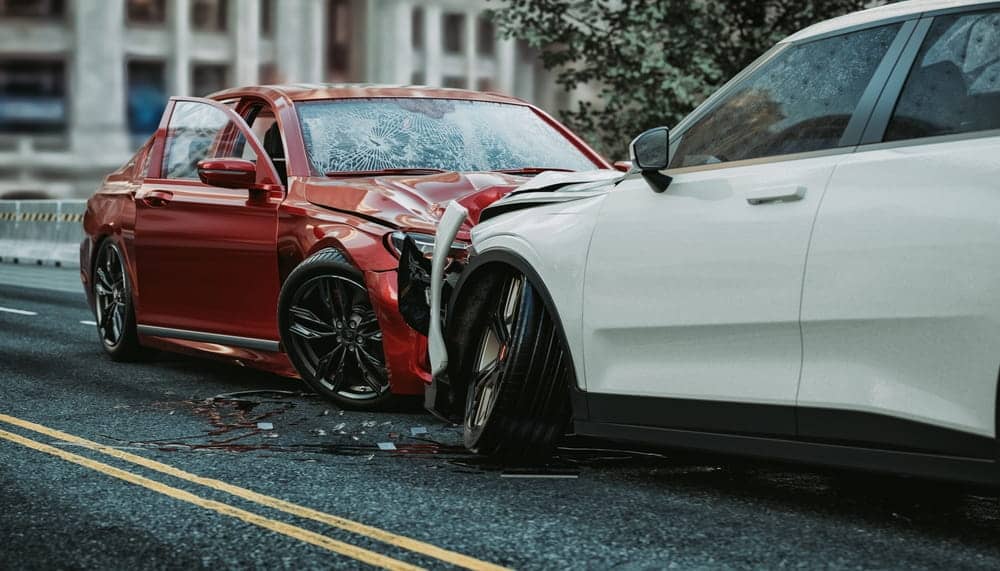
If you have taken a driving course in Wisconsin, you have probably heard of the three-second rule. The goal of this rule is to have enough space between you and the vehicle in front, providing enough time and space for you to stop your vehicle and not rear-end the vehicle in the front. While driving instructions teach it, not all drivers follow it. This article discusses the three-second rule, why it’s important, and how Gingras, Thomsen & Wachs, LLP advocates for road safety in Wisconsin.
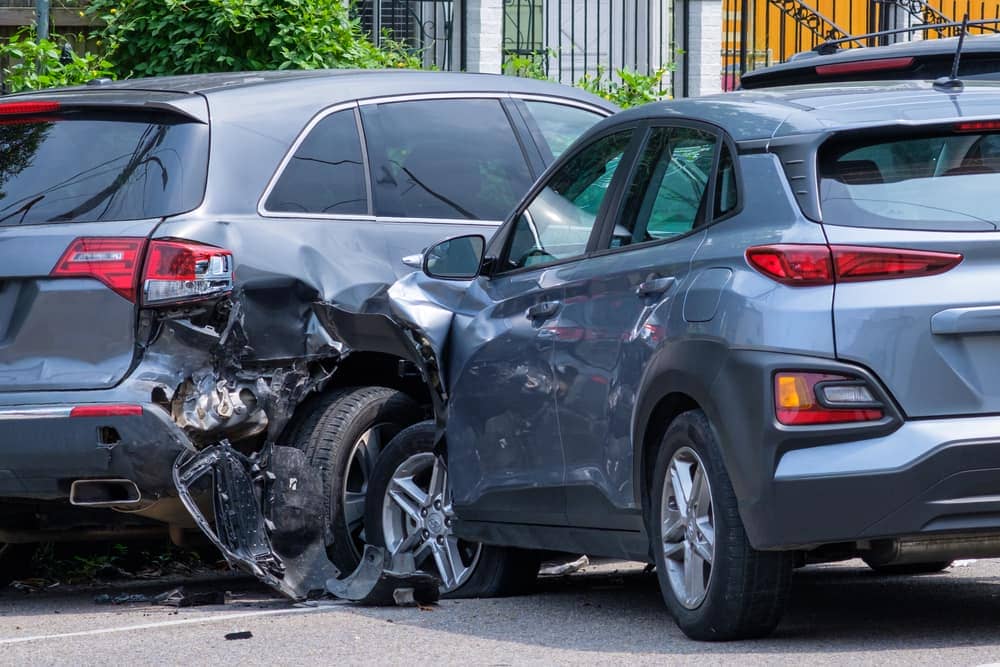
Photo of a Car Accident

Understanding Three-Second Rule Guidelines

Based on the three-second rule, you should be able to count, “one, one-thousand, two, one-thousand, three, one-thousand” before you reach the vehicle in front of you. This rule offers an easy-to-remember guideline for maintaining a safe distance. So even if the vehicle in front suddenly stops or there are other emergencies in front, you should have enough space to react and prevent a collision.

To apply the three-second rule while driving, you pick a marker on the road where the vehicle in front passes a fixed point, such as a tree or road sign. Then start counting until your vehicle reaches that marker. If you reach the marker in three seconds or more, you are driving at a safe distance and can continue to maintain this distance. However, if you reach the market before three seconds, you need to slow down and increase the following distance.

It is important to understand that the three-second rule is a general guideline based on ideal road conditions. If there is low visibility, slippery roads, or other hazardous conditions, you may need to slow down further and have more distance between you and the vehicle in front. Different vehicles have different braking capabilities. You need to consider the size and weight of your vehicle as some larger vehicles tend to require more distance to stop.

Why Is Maintaining A Safe Following Distance in Wisconsin Important?

The primary reason why you need to follow the three-second rule is to have enough reaction time to avoid accidents. Having enough space and time allows you to assess the situation and react appropriately. The driver ahead could apply their brakes for many reasons, so you need to be prepared to react to abrupt braking or stops in traffic.

Some of the most common auto accidents are a result of rear-end collisions. Rear-end collisions can result in a wide range of injuries, including traumatic brain injuries, spinal cord injuries, neck injuries, and fractures. The sudden impact often forces a driver or passenger’s body forward while their head lags behind, leading to severe neck and head trauma. This simple and easy-to-follow rule can help save lives and prevent injuries that can have a life-altering impact on victims.

Following the three-second rule encourages drivers to remain focused on the road, improving overall safety and contributing to a more predictable, respectful traffic flow.

Additional Wisconsin Driving Safety Tips

Maintaining a safe distance from the vehicle in front is a key component of defensive driving. It’s also essential to follow other traffic laws and safety practices to help prevent accidents. Drivers should remain aware of their surroundings and be vigilant to spot other drivers, cyclists, and pedestrians.

Distracted driving is a major cause of accidents. Common distractions include eating or drinking, using a phone, or adjusting the stereo or car controls. However, anything that pulls a driver’s attention away from the road can be dangerous, even daydreaming or trying to reach something in the car. Staying focused helps ensure you’re ready to react to any sudden changes on the road.

Keeping your vehicle in good condition is also important. Follow the vehicle manufacturer’s recommendation for all maintenance services. If you notice anything wrong with your vehicle, get it checked before the issue results in an accident.

Lastly, you should adjust your driving according to the conditions. For example, if you are driving in winter, the roads in Wisconsin can be slippery due to snow or ice. You should slow down, give yourself extra time to react and avoid sudden maneuvers.

Legal Perspective of the Three Second Rule in Wisconsin

The three-second rule is not a legal requirement, but it can play a role in establishing liability in auto accidents. If the driver in the rear does not maintain a safe distance, and this results in an accident, then they may be found at fault for following too closely. Consulting with a car accident lawyer can help you understand your rights if you’ve been injured due to another driver’s negligence.

To show that a driver wasn’t following the three-second rule in a rear-end collision case, you’ll often need to gather and present different types of evidence to demonstrate that they were following too closely. You may have to rely on evidence such as surveillance footage or eyewitness testimony to prove that the driver in the rear was following too closely.

If you have been in a rear-end collision, you should consult with an experienced car accident attorney who knows how to handle accidents that involve tailgating. Please contact Gingras, Thomsen & Wachs, LLP to learn more about the legal aspects of accidents that involve driving too closely. Our team can help you with all the legal aspects of the case, including gathering evidence, completing paperwork, and filing claims to recover full and fair compensation. You can call us to schedule a free consultation with one of our attorneys at Gingras, Thomsen & Wachs, LLP.
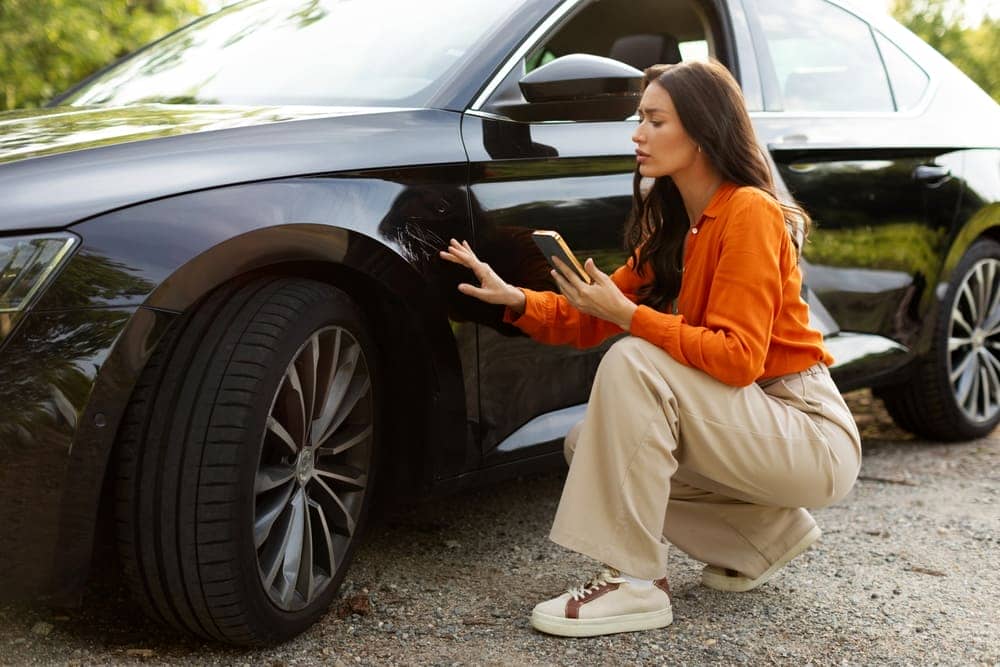
It doesn’t matter how carefully you drive when you go to work, run errands, or travel to other recreational activities. When another person drives negligently, you may wind up in a car accident. If you’re involved in a car accident in Wisconsin, one of the first steps you should take is to obtain a police report. This document is crucial for several reasons.

First and foremost, the police report serves as an official account of the accident, detailing the circumstances, involved parties, and any citations issued. This can be invaluable for insurance claims and any potential legal actions that may arise from the incident. Additionally, having a clear, impartial record helps establish liability, making it easier to navigate the often complex claims process..

Car accidents can take a physical, mental, and financial toll on victims. A Wisconsin car accident lawyer can be of tremendous assistance in helping you with your personal injury claim.

Gingras, Thomsen & Wachs, LLP is a personal injury law firm committed to helping car accident victims. In this article, we discuss the importance of the car accident police report and walk you through the steps you need to follow to get a copy of a car accident report.

The Importance of Obtaining a Wisconsin Accident Police Report

Wisconsin law requires drivers to report a car accident to the Wisconsin State Patrol or police department in certain circumstances. Drivers in the state are bound by Wisconsin laws to notify law enforcement in any of the following scenarios:

Injuries

If any of the drivers involved or their passengers are injured, they are required to call 911.

Fatalities

When someone dies as a result of a car accident, this must be reported.

Property Damage

You are required to report any car accident that results in property damage greater than $1,000 or where there is $200 or more in damages to government property other than a vehicle. Keep in mind that something that may appear minor might cost more in today’s economy.

Additionally, it’s important to make a car accident report when you need to have your car towed because it has been rendered immobile. Any car crash that involves injuring or killing some form of wildlife, such as deer, should also be reported to the police.

Photo of a Car

What Does a Law Enforcement Officer Put in the Crash Report?

When you get into an auto accident, police reports can be useful evidence in your personal injury case. The report provides an official account of the accident, which can be crucial for establishing the facts of the case. This includes details about the time, location, and circumstances surrounding the accident. The report typically includes the names and contact information of all parties involved, as well as witnesses. This information can be critical for gathering statements and evidence. If the police officer issued citations or made determinations regarding fault, this information can be pivotal in establishing liability. This can significantly impact your ability to receive compensation.

Step-by-Step Guide on How to Get Wisconsin Car Accident Reports

If you want to get a police report in Wisconsin to use for your car accident claim, there are several ways you can obtain crash reports:

Use the Report Retrieval Number

You can get a police report after a Wisconsin accident by using the report retrieval number provided to you by the officer who responded after the accident occurred. You’ll then be able to contact the Wisconsin Department of Transportation (DOT) with this information to order a copy of your car accident police report.

Use Your Driver’s License Number

Another way to get a Wisconsin driver report is by visiting the DOT website linked above and entering your driver’s license number. It also requires you to enter the date the crash occurred to get the police report.

Contact the Non-Emergency Number for the Police

When you’re in a serious accident, everything may seem like a blur. You may only know the name of the officer who responded to your accident. If that is all the information you have, you can call the non-emergency number for this agency and request the report. You should have other important information handy, including the date of the accident in Wisconsin and the location and vehicle identification number.

Wisconsin Law Mandates Car Accident Victims to File Police Reports

When accidents are serious, the police will usually arrive. However, they do not come to the crash scene in all cases. If authorities did not respond to your crash but it meets the criteria for reporting as discussed above, you are required to file a report of your own with the DOT within 10 days of the accident.

At Gingras, Thomsen & Wachs, LLP we understand the challenges that come with a car accident. Our experienced team can assist you in obtaining your police report and interpreting its contents. We’ll work tirelessly to advocate for your interests, whether negotiating with insurance companies or representing you in legal proceedings.

Don’t overlook the importance of a police report after an accident. Let us help you ensure that you have the necessary documentation to support your case and secure the compensation you deserve. Contact Gingras, Thomsen & Wachs, LLP today to learn more about how we can assist you during this difficult time.

Schedule a free consultation with a personal injury lawyer at Gingras, Thomsen & Wachs, LLP to learn more about your options for seeking lost wages, medical bills, and other damages from your injuries.

If you’ve been injured in a car accident, slip and fall, or suffered another type of personal injury claim, it may not be a simple process to get a fair settlement from the insurance company. Instead, you may have to file a personal injury lawsuit to recover compensation for your financial losses caused by the at-fault party.

You may have heard the term ‘litigation’ in personal injury and wondered, “What does litigation mean in a personal injury case?” Litigation typically refers to the legal process to resolve personal injury cases. Understanding litigation for injury cases requires knowing what litigation means in legal proceedings.

Gingras, Thomsen & Wachs, LLP is a personal injury law firm that represents personal injury victims by fighting to secure fair compensation for personal injury claims. In our personal injury blog posts, we provide relevant information that can help you learn more about your personal injury case. This article discusses the complex process of litigation and how a personal injury attorney can help you with car accidents and other personal injuries.

Understanding the Personal Injury Litigation Process

There are a number of steps to the litigation process in a personal injury case. While your personal injury attorney can walk you through each of them in greater detail, here are the general steps involved:

Pre-Litigation

Before you file a civil lawsuit, you will likely start your personal injury case by trying to get compensation for your injuries from the at-fault party or their insurance company. For example, after a car crash that another driver caused, you’d contact their insurance company to file a claim.

We highly recommend hiring Personal Injury Lawyers in Wisconsin to help you receive fair compensation for the injuries caused by the other person. Insurers often offer a low settlement amount or even deny the injury claim. If this happens, personal injury lawyers are prepared to take the next steps in litigation.

Filing and Serving the Complaint

When personal injury cases hit a roadblock while negotiating a pre-suit settlement, the next step an injured person can take is to have their personal injury lawyer file a complaint in court. The complaint will detail the allegations of your personal injury case, name the defendant, and provide the amount of damages sought.

Once it is filed with the court, it is then officially served on the defendant. The defendant or defendants are required to respond with an answer to this complaint, in which they may admit or deny their fault in the legal matter.

Discovery Phase

During discovery in a personal injury case, the two parties will each have the chance to request information from one another. This is the time for collecting evidence, exchanging documents, oral examinations, and looking at what critical evidence could turn the tides. The reason for discovery in personal injury cases is for each side to gather and present evidence needed for trial, such as medical records for all medical treatment received, pay stubs for lost wages, photographs, and witness testimonies.

Motions

The injured party or the defendant may file motions with the court. Motions essentially ask the court for a certain ruling or action. A prime example is filing a motion to exclude certain evidence or even dismiss the case.

Pre-Trial Negotiation Process

Before your case continues through the court system, another attempt at negotiations will be made. Most personal injury cases settle before they go to trial. Often, alternative dispute resolution methods like mediation are encouraged before the trial.

Trial

When there is still no agreement, litigation proceeds to trial. Taking this legal action leaves the decision up to a judge or jury who will rule on the claim based on the evidence presented in the lawsuit. In some cases, it may work out in the plaintiff’s favor. In other cases, the judge may rule in favor of the defendant, which would mean the plaintiff does not receive a compensation award. It is important to hire an experienced trial attorney who can maximize your chances for a successful recovery.

Appeals Process

Litigation may continue into the appeals process if either party is not happy with the outcome. This allows either party to request a higher court review the ruling of the trial court. There must be an error or flaw in the initial ruling to have the chance for an appeal.

Photo of lady justice statue

How an Attorney Can Assist You with Your Lawsuit

As you can see, litigation is not just another word that refers to a trial or a lawsuit. It is the entire process in which one may seek justice for a personal injury. Litigation encompasses many steps, and while you are not legally mandated to have a lawyer represent you, it is in your best interests.

Lawyers will have a full understanding of the relevant laws that apply in your case. They will be able to gather evidence, build a strong case, and negotiate for a fair settlement. Additionally, they will know when they must file all the paperwork and ensure everything is in order.

It is essential to choose an attorney with a proven track record in the courtroom. Although your case will likely settle before it ever gets to trial, you’ll want a lawyer that is ready for trial from the beginning of your case.

In Wisconsin, Gingras, Thomsen & Wachs, LLP can provide legal support and guidance throughout the entire litigation process. If you have been injured by another person who behaved negligently, you may be able to recover your financial losses in this process. It’s best to schedule a free consultation to learn more about whether you have a valid case and the next steps to take.

If you have been in a car accident recently, you can file a personal injury claim to recover the financial losses caused by your injuries and other damages. This typically involves reaching out to the auto insurance company of the at-fault driver to get your car accident settlement.

Many car accident victims wonder if there is an average settlement amount that they can expect from the insurance company. However, many factors impact settlement amounts.

Gingras, Thomsen & Wachs, LLP is a law firm that represents victims in car accident cases from minor car accidents to car accident deaths, working to get fair car accident settlements. In this blog post, we discuss car accident settlement amounts, how they are affected, and what you can do to get a fair settlement that fully covers the losses you’ve endured.

Factors That Influence a Car Accident Claim Settlement

Car accident settlements vary widely from one car accident case to another. This is due to the unique evidence and circumstances involved in every auto accident. Here is a look at a few of the variables that can influence settlement amounts.

Severity of Injuries

This is one of the key factors that can impact the settlement value. You can expect a lower settlement for injuries that heal quickly and won’t impact your daily life. When a motor vehicle accident leads to serious, permanent injuries, it will result in a higher auto accident settlement, especially when you factor in non-economic damages such as pain and suffering.

Insurance Coverage

Insurance policies will also be a relevant factor when you seek compensation. In Wisconsin, you must have liability insurance at a minimum of $25,000 for bodily injury per person, $50,000 for bodily injury for each accident, and $10,000 for property damage per accident. The minimums also require uninsured motorist coverage for bodily injury at $25,000 per person and $50,000 per accident. The coverage from insurance will usually affect the final settlement amount.

Medical Expenses

When your car accident injury is serious, there are typically significant medical expenses involved. The medical bills for your medical treatment and medical expenses plus your future medical bills can become quite large, particularly if you have a spinal cord injury, traumatic brain injury, broken bones or ligaments, or internal bleeding.

Impact on Earning Capacity and Life Quality

When an accident causes you to miss work or leads to a disability that can prevent you from working in your previous capacity, lost wages need to be considered. Like pain and suffering, emotional distress from your injuries and being unable to work can take a toll on the quality of life you experience after the accident.

Average Settlement for Car Accident Claims

As you can see, the typical car accident settlement amount has no average. Car accident settlement examples can be unreliable because they do not consider every aspect of your car accident lawsuit.

An experienced car accident lawyer in Milwaukee can take the time to review your case by looking at your current rate of pay and how long you’ll be out of work to calculate lost wages. Additionally, a personal injury lawyer will provide a more accurate assessment than any online car accident settlement calculator.

Attorneys at Gingras, Thomsen & Wachs will know how to look through your medical records, lost wages, and other expenses to determine all your economic damages. They will look at policy limits, pain and suffering, and a range of metrics to provide average settlements for your case.

The Role of Insurance Companies in Settlement Negotiations for Car Accidents

In personal injury claims that arise from car crashes, you will need to contact the insurer of the at-fault driver to file your claim. It may seem simple but there are things you should know when seeking your injury settlement.

Insurance adjusters are trained to show a compassionate demeanor, but anything you share with them can be potentially used against you in the lawsuit. An experienced attorney can help guide this process.

With the comparative fault laws in Wisconsin, this could reduce your settlement by your percentage of fault. If you have more fault than the other driver, you would be barred from seeking a settlement in a personal injury lawsuit.

Photo of a Car Accident

Steps Involved for Pursuing an Accident Settlement

It is imperative that you know how to protect your legal rights in the aftermath of a car crash. The first thing to do is call the police so they investigate the accident scene. Police officers create police reports that can be used as evidence. They can also take photos and interview witnesses to help document what happened.

Additionally, you’ll want to gather as much evidence as you can on your own through photos, videos, and witness statements. Prompt medical care is needed to create records of the treatments you’ve received to establish your injuries. Above all, the most important thing to do is to contact an experienced personal injury attorney.

With the help of an auto accident lawyer, you’ll have someone who fully understands state laws, insurance tactics, and how to maximize settlements. The legal team at Gingras, Thomsen & Wachs, LLP is available for a free consultation where you can learn more about how your case’s unique factors can affect the settlement amount

Milwaukee Attorney Secures $2.5 Million for Injured Chef in Complex Parking Lot Accident Case

At Gingras, Thomsen & Wachs, LLP, we fight for justice and compensation on behalf of the victims in personal injury cases. Recently, our own Mark Thomsen achieved a $2.5 million settlement for our client who was severely injured in a parking lot accident involving a bus. This settlement reflects our formidable track record of securing compensation for our clients, including many multi-million settlements and verdicts.

The Incident: A Parking Lot Accident with Devastating Consequences

On the night of September 24, 2021, our 50-year-old client, a head chef from Miami, was walking back to his hotel after working at the Ryder Cup, dressed in his black uniform and wearing a hoodie. He was traversing a dimly lit parking lot at the resort where he was staying when he was struck and run over by a bus. He did not see the approaching bus. The driver of the bus did not see our client as she made a left turn down an aisle in the lot.

Milwaukee personal injury attorney Mark Thomsen recognized the defense would argue that given the poor lighting and rainy conditions, our client should have looked carefully for any vehicles before he walked across the lot rather than using the lit sidewalk. The collision left our client with significant injuries, requiring one surgery to each leg and a prolonged rehabilitation process.

Mark Thomsen, his legal team, and co-counsel Aaron Davis and Michael Bild from Miami collected critical evidence, hired top accident reconstruction and medical experts, and left no stone unturned to establish the bus driver’s negligence was greater than our client’s and build a strong case for financial compensation for our client.

A Complex Case with Conflicting Expert Opinions

Parking lot accidents may involve complex legal and technical issues, as this case clearly demonstrated. During litigation, expert testimony from both sides presented varying accounts of the circumstances leading up to the accident.

The Plaintiff’s Experts: Evidence of Driver Negligence

Our expert witnesses, Paul Erdtmann from Skogen Engineering Group Inc. and Larry Baareman, a transportation compliance expert from Michigan, provided compelling evidence supporting our case. Both experts concluded that the client was within the bus driver’s sightline for approximately five seconds before the impact, directly challenging the driver’s claim that she did not see him.

Baareman further opined that the bus driver, in compliance with state and federal motor carrier regulations, should have slowed her vehicle and cleared the area to her left before making the left turn. According to Baareman, this failure to exercise caution indicated preventable negligence, highlighting that the driver’s actions contributed to the accident.

The Defendants’ Attempt to Blame Pedestrian Behavior

The defendant’s accident expert, David A. Noyce, took a contrasting stance, opining that our client acted unsafely by not using designated pedestrian walkways. Noyce further contended that our client was “undetectable” to the bus driver due to his clothing choice and the lighting conditions.

Competing Testimonies Highlighted the Need for a Strong Representation

This contradictory evidence underscored the complexities of the case and made it essential for us to build a strong, cohesive, and evidence-based argument. By systematically dismantling the defendants’ claims and firmly demonstrating the bus driver’s responsibility in the accident, we were able to present a robust case on behalf of our client.

Medical Testimonies and the Extent of Finizia’s Injuries

Our team also engaged medical experts to assess the severity of our client’s injuries and their impact on his future. These professionals provided testimony on the medical necessity of surgeries, his prolonged recovery, and the ongoing pain and limitations he faces.

Vocational expert Kevin L. Schutz, M.S., LPC, evaluated our client’s long-term physical and psychological challenges and his loss of earning capacity. This testimony underscored the financial and emotional toll that this accident has imposed on our client, further strengthening our argument for full compensation.

A Settlement That Brings Justice and Financial Security to Our Client

Through attorney Mark Thomsen’s legal acumen and aggressive representation, our firm was able to achieve a settlement that provides our client with the financial resources he needs to continue his recovery and maintain his quality of life. The $2.5 million settlement we secured reflects the intense litigation skills, experience, and resources with which our attorneys handled each aspect of this case.

If you or a loved one has been injured in an accident, our Milwaukee personal injury attorneys at Gingras, Thomsen & Wachs LLP are ready to fight for you. To schedule your free consultation, call us at 608.833.2632 or contact us online.

If you are involved in an accident caused by someone else’s negligence, it is crucial that you get their insurance and contact information right away. If the at-fault driver does not have auto insurance, your own uninsured motorist coverage can compensate you for your damages up to your auto insurance policy limits.

If your own insurance company presents obstacles in your uninsured motorist claim or you wish to explore additional compensation through other means, seek the guidance of a car accident attorney. They can provide the support and expertise you need in these complex situations.

At Gingras, Thomsen & Wachs, LLP, our dedicated attorneys can help you understand how uninsured motorist coverage works, gather evidence against the at-fault driver for your motor vehicle accident, strengthen your claim, and give you a fighting chance at maximizing your compensation. Contact our law firm for a free consultation to learn more.

Photo of Car Crash

Importance of Taking Immediate Action

In an accident with an uninsured driver, your priority is your health. Contact emergency services and seek medical attention right away, even if you do not feel any symptoms of your personal injury.

Document the accident scene by taking photos of the damages to both vehicles as well as potential road conditions that may have contributed to the collision. If there are CCTV cameras around, you can also use the video footage to build your claim.

Write down the license plate number of the negligent driver along with their contact information and insurance information. Some drivers may have insurance coverage. Before leaving the accident scene, also write down the contact information of possible eyewitnesses and report the incident to local authorities. Police investigations will help you find out if you are dealing with an uninsured or underinsured driver if you did not already find out during your exchange of information.

Reporting the Incident and the Insurance Company

In most states, you must report the accident to authorities if you have been injured, suffered property damage beyond a certain threshold, or the incident resulted in a fatality.

When you get hit by an uninsured driver, it is also important to contact your insurance provider to inform your insurer of the accurate details of the incident and the fact that the other driver is uninsured. If you have underinsured motorist coverage, it can also help you when dealing with uninsured drivers and may cover medical bills and other aspects. It depends on your insurance policy. The other driver might face criminal charges depending on the state where the car accident occurred. Insurance claims can be challenging to handle alone but if you encounter any difficulties, speak with a car accident lawyer.

Consulting With a Personal Injury Lawyer

Your car insurance often plays a crucial role in an accident claim, but this is particularly true when pursuing an uninsured motorist claim.

Usually, you look to the at-fault driver’s coverage to compensate you for your bodily injury, property damages, and other losses. When the at-fault driver does not have insurance coverage, however, you must look to your own first-party coverage to fully compensate you for your damages and losses.

If you are injured in an accident caused by an uninsured driver, a personal injury lawyer will help you pursue all of your options to recover compensation. In some instances, there might be other liable parties or you can use the other driver’s assets as compensation. Even though it is unlikely that they have sufficient assets given that they do not have auto insurance, you may still have options to pursue a recovery against them..

Consult with a personal injury lawyer in Wisconsin to find out more, understand how insurance claims work and ensure you receive fair compensation for your damages.

Legal Guidance and Representation

When you are involved in an accident with an uninsured driver, you may face various challenges. At Gingras, Thomsen & Wachs, LLP, our car accident lawyers vigorously strive to protect our clients and help them achieve fair compensation for their injuries and other losses, including lost wages, pain and suffering, and more.

Our law firm has successfully and passionately assisted car accident victims for over 35 years in various types of car accidents, including ones that involved uninsured drivers. Contact us today for a free consultation to learn more about your legal options.

A car is totaled when it is deemed uneconomical or impractical to repair because it has been severely damaged due to an accident or other event. Your insurance provider, or the insurer of the at-fault vehicle in a collision, is usually the entity that will assess the extent of the property damage and determine whether or not a car is totaled.

The insurer will consider your vehicle’s actual cash value and determine if the cost of repairs exceed a threshold percentage, usually 70% to 75% of a vehicle’s actual cash value, which would likely render your vehicle a total loss.

To ensure you receive a fair settlement offer from the insurance company, you must prepare several documents to support the valuation of your car and its fair market value. If you believe your own insurer acts in bad faith or isn’t offering a fair settlement, or the totaled car resulted from a car accident event, and wish to pursue a claim with the other driver’s insurance company, consider consulting with a car accident lawyer.

Photo of lady justice statue standing on the table

Common Causes of a Totaled Vehicle

A totaled car can result from various types of car accidents, including collisions or rollovers, which cause significant damage. However, your car can also be rendered a total loss due to natural disasters such as earthquakes, hurricanes, fires, and explosions.

Steps to Take Immediately After a Car Accident

After a car accident, you should first prioritize your safety, check for injuries, move to a safe location, and request medical aid.

Most state laws require you to contact authorities to report the accident if there is property damage, personal injuries, or a fatality. Before leaving the accident scene, take photos and videos of the accident scene, the damage to your vehicle and the other cars involved, and your injuries.

Write down the contact and insurance information from the other driver and the contact information of eyewitnesses. This will be useful if you decide to pursue a personal injury claim to seek compensation for your injuries and other losses. Learn more about personal injury claims and compensation.

Report the accident to your insurance company and consult with a car accident attorney to understand your legal options. Learn more about personal injury claims and compensation from our personal injury lawyers.

How an Insurance Company Determines if a Car is Totaled

Most insurance companies use a threshold percentage to determine if a car is totaled. This percentage usually revolves around 70% to 75% of your vehicle’s ACV (actual cash value) and will determine whether or not the repairs exceed the car’s value.

If your car requires repairs that exceed the established threshold, it is considered a total loss. An insurance adjuster will assess the damage and estimate the cost of repairs.

What To Do if Your Car is Deemed a Total Loss

Dealing with a car declared a total loss isn’t easy, but when you speak to your insurance company, they will determine if your vehicle is a total loss. You should review your insurance policy and see if you have any benefits that apply to your totaled car.

The insurance company will provide you with your vehicle’s ACV, representing its pre-accident value. You can either accept the offer from the insurer and sign the title over to the insurance company, or you can retain ownership of the vehicle. You can later decide to repair or sell parts of it to mitigate costs. You should be aware that the salvage value of the vehicle will be deducted from your cash settlement amount if you choose to retain ownership of the vehicle. Various factors will affect the value of a totaled car, including:

  • Pre-accident condition
  • Mileage
  • Age of the vehicle and if there are any optional features or upgrades

If your vehicle was in good working condition before the event, had lower mileage, and had additional features or upgrades, this could increase the value of the vehicle.

Negotiating With Insurance Companies For a Fair Settlement

Before you negotiate with the insurance company, you should gather evidence to support the valuation of your car. Keep maintenance records and receipts close, analyze comparable cars to present to the insurer, and be prepared to explain why you believe the initial offer is insufficient.

If, after providing the documents supporting your vehicle’s value, you are unable to reach an agreement with the insurer, then you might need a third party, such as an attorney, to help. Understanding the implications of a totaled car can be difficult, especially if other laws and circumstances apply to your case.

Legal Options Available After a Car is Totaled

When an insurance company acts in bad faith, you can consult with an attorney focusing on insurance claims to reach a fair settlement offer. At Gingras, Thomsen & Wachs, LLP, we offer free consultations for such cases and can help you navigate the next steps if a fair settlement cannot be reached. Explore our expertise in handling insurance claims.

Reckless driving is a misdemeanor offense in Wisconsin. However, if certain aggravating factors are present, this type of criminal charge can easily turn into a felony, and substantially greater penalties and punishments may be imposed.

If you are a victim of a car accident due to a reckless driver, you might have the legal grounds to pursue a personal injury claim against them. A skilled personal injury lawyer can guide you through the complexities of your case, explain your legal options, and develop effective legal strategies to maximize your compensation and hold the negligent driver responsible for their actions. All drivers at the end of the day, must operate their vehicles in a careful and prudent manner.

Contact the dedicated personal injury lawyers at Gingras, Thomsen & Wachs, LLP (GTW) for a free consultation to learn more. Here is everything you need to know about what constitutes reckless driving and how a personal injury attorney can help.

Photo of Distracted Driving

Reckless Driving and Its Potential Consequences

When a driver fails to operate their motor vehicle in a careful manner and disregards the safety of other motorists, pedestrians, or property, they can be charged with reckless driving or dangerous driving. Reckless drivers can lose their driving privileges as this is a criminal offense and not a negligent driving charge such as careless driving or distracted driving.

According to Wisconsin state laws, a reckless driving conviction can result in the following punishments if it does not result in bodily harm. Depending on the circumstances, a minimum fine of at least $50 or a maximum fine of $400 can be imposed. If other traffic violations are present, such as driving above the posted speed limit, the person who drives can face enhanced penalties, including license suspension and jail time.

Under Wisconsin law, driving recklessly is punishable even if it does not result in a collision or cause any bodily injury or property damage. However, when reckless driving does cause bodily injuries, the penalties are significantly higher. A reckless driver could face up to six years in prison/ county jail and $10,000 in fines for causing injury due to reckless driving. Explore GTW’s expertise in traffic law.

Types of Behavior That May Be Considered Reckless Driving in Wisconsin

A reckless driving charge can occur when a driver’s behavior poses a significant risk to others on the road by engaging in the following behaviors:

Excessive speeding

Speeding is one factor that may constitute reckless driving and has much to do with the speed limit in the area. Depending on the extent of the speed limit violation, it can be considered a minor misdemeanor or result in a much greater punishment. In Wisconsin, a driver’s license will be suspended if they exceed the speed limit by at least 25 miles per hour. Some statistics showcase that teens are often more involved in speed accidents than other drivers, accounting for around 50% of car crashes.

Aggressive driving

Operating a vehicle aggressively, such as weaving in and out of traffic, tailgating, or disregarding traffic signals and signs, is considered aggressive driving and can be prosecuted as reckless driving. It is a clear behavior of driving with a wanton or willful disregard for the safety of others.

Racing

Street racing can result in several traffic violations, including reckless driving. Reckless driving cases in these situations can result in a class C or class B misdemeanor conviction.

Drunk or impaired driving

Drivers operating a vehicle while under the influence of alcohol or drugs can also be charged with reckless driving.

Reckless maneuvers

Reckless driving involves performing dangerous maneuvers that endanger the safety of others, such as suddenly changing lanes, running red lights, or driving on sidewalks.

Associated Penalties and Potential Long-term Effects of Reckless Driving Convictions

A reckless driving charge in Wisconsin can result in hefty fines, license suspension, probation, mandatory driver improvement programs, jail time, community service hours, and other penalties, depending on the circumstances of the case. This charge can affect a driver’s records, insurance rates, and future employment prospects.

How a Personal Injury Lawyer Can Help

A personal injury attorney focusing on reckless driving laws can help you with your personal injury claim against a reckless driver. You do not have to suffer due to the willful or wanton disregard of a reckless driver, but instead, hold them accountable for their actions.

In most instances, injured victims can seek compensation for their medical bills, property damage, lost wages, pain and suffering, and other emotional and physical trauma caused by the reckless driver.

Your lawyer will analyze the evidence of your case, conduct an investigation, and negotiate on your behalf with the other parties involved in your car accident claim. At Gingras, Thomsen & Wachs, LLP, our dedicated car accident lawyers will highlight all of your damages and thoroughly analyze the unique circumstances of your case to achieve fair compensation for the damages and losses incurred. Contact our law firm today for a free consultation on your case and to learn more.

Being the victim of an automobile accident can be devastating – physically, emotionally, and financially. That’s particularly true in accidents where the motorist flees the scene without taking responsibility for his or her actions. In Wisconsin, leaving the scene of an accident is a criminal offense. Depending on the damage and injuries that occur, hit-and-run drivers can face misdemeanor or felony charges in addition to jail time and hefty monetary fines.

Regardless of whether the driver is ultimately located, hit-and-run accident victims can be left with costly property damage and debilitating physical and emotional injuries. If you were involved in a hit and run accident, knowing what to do after the fact can help hold the wrongdoer responsible and preserve the victim’s rights to compensation for their losses.

Steps to Take at the Scene of the Accident

There is a lot of valuable evidence at the scene of a hit-and-run accident, even though the responsible motorist is not there in person. Take these steps to preserve that evidence:

  • Report the accident. File a police report while still at the accident scene, if possible. This is a critical step in documenting that the accident actually occurred. The police report can help convince insurance companies that claims for losses are legitimate.
  • Gather witness statements. Talk to anyone who witnessed the accident, gathering their contact information including names, addresses, and telephone numbers. Witnesses may have valuable information you may not have noticed, such as the make, model, and color of the vehicle, and even the license plate number or other identifying information about the perpetrator’s car or truck.
  • Document the crash. If it is safe to do so, take photos or videos of the accident scene, showing the damage to your vehicle, and the extent of the victim’s injuries if those injuries are obvious.

What to Do After Leaving the Accident Site

The steps you take after leaving the scene of the accident are important too:

  • Seek medical attention. It is important to seek qualified medical help after a hit-and-run accident. Some car accident injuries are not readily apparent, so visiting a medical provider can help make sure you get the care you need – even if you don’t know you need it yet. These medical visits also serve as powerful evidence and documentation to support your personal injury claim.
  • Don’t post about your accident. While you may be used to posting things about your life on social media sites, think twice before posting about your hit-and-run accident. Insurance companies and attorneys for the responsible driver, if ultimately located, could try to twist and use your words against you later.
  • Contact your own insurance company to report the collision. If you have uninsured motorist coverage as part of your auto insurance, this may be the only way to recover compensation for your injuries.
  • Contact a personal injury lawyer. A Wisconsin hit-and-run accident attorney can help you obtain the compensation you deserve. Every case is unique, but your attorney will help you fight for payment of your medical expenses, damage to your vehicle, and even lost wages as the result of the accident. Don’t wait too long to contact an attorney; hit-and-run accident claims are time-sensitive.

Gingras, Thomsen & Wachs, LLP are Here to Help

At Gingras, Cates & Wachs, our experienced personal injury attorneys are committed to helping accident victims obtain the compensation they are legally entitled to. We know how devastating hit-and-run accidents can be. We’ll handle your case with compassion, fighting diligently for your rights.

To learn more and to schedule a case consultation in our Madison, Milwaukee, Waukesha or Eau Claire offices, contact us today.

winter driving

It’s that time of year again — winter driving season. After examining data collected by the Auto Insurance Center and the National Highway Traffic Safety Administration, USA Today concludes that Wisconsin drivers have an average of 40 more fatal accidents each winter than they do at other times of the year.

While not all accidents result in fatalities, even a minor accident during a winter storm can be a big deal for Wisconsin drivers. The state’s tort law says you cannot blame the weather as a factor in causing a crash. Instead, the court will assign proportionate responsibility, or liability, to each driver involved.

The best way to avoid ending up in a winter car accident is to practice safe driving.

Be Prepared

Make sure to maintain your car in good working order, with functioning a functioning defrost system and windshield wipers. If you use snow tires, install them at the beginning of the season so that you’re not caught off guard by the first heavy snowfall.

Never leave your driveway without carefully removing the snow and ice from windows and the top of the hood. Everyone in the car, not just those riding in the front, should have their seatbelt buckled.

Before you set out, check 511WI to get the latest updates about weather conditions and road closures.

Go Slow and Steady

On snow and ice, your car won’t have as much traction, so your best defense against having to brake suddenly–which could cause you to lose control–is to drive slowly and keep a greater distance than you normally would between yourself and the vehicle ahead. Never use cruise control when driving in winter weather conditions.

When approaching a hill, don’t accelerate suddenly, as you could spin out of control. Likewise, never stop on a hill if you can help it. The extra acceleration needed to move forward could cause you to lose traction.

Use Caution

Be extra cautious when approaching and passing trucks, which can shed snow and ice directly on to your vehicle. Likewise, stay at least 200 feet behind snowplows and be aware that they generate a field of snow mist that reduces visibility greatly when you go to pass them.

Keep in mind that bridges and overpasses freeze before other road surfaces and use extra caution when driving over them.

Wisconsin state law mandates that driver use their low beams whenever weather conditions make it hard to see objects 500 feet ahead. Your headlights will also make it easier for other vehicles to see and steer clear of you.

Have You Run Afoul of the Winter Weather?

At Gingras, Cates, and Wachs, we know how frustrating it is to drive on winter roads. We also know how to fight aggressively for your rights. If you’ve been in a winter accident, contact us to learn if we can assist you.

Uber Accident

Ridesharing and using services like Uber and Lyft have become a frequent mode of transportation for many Wisconsin residents. Unfortunately, as the number of people using rideshares has increased, so has the number of car accidents involving ridesharing vehicles. If you were injured as a passenger in an Uber or Lyft ride, you may be entitled to compensation for your injuries.

Passenger Rights After a Rideshare Accident

When you choose a rideshare service, you trust that the vehicle you are in is well-maintained and that you will arrive at your destination safely. Of course, auto accidents can happen any time. When they do, you could find yourself needing both immediate and long-term medical care. You could also find yourself unable to work because of your injuries.

Whether the accident was the Uber or Lyft driver’s fault, or another driver’s fault, you should not have to pay your own medical expenses for injuries stemming from the accident. You may either be entitled to claim damages under the liability insurance policy provided by the ridesharing company or obtain compensation from the other (non-ridesharing) driver’s insurance policy, or both.

Ridesharing companies require their drivers to have personal auto insurance policies that comply with Wisconsin law, but they also provide up to $1 million of auto liability coverage designed to protect passengers. This means that if an Uber or Lyft driver is responsible for causing an accident that injures a passenger, the ridesharing company’s insurance policy should cover medical expenses and other costs related to the accident. Some ridesharing drivers also choose to purchase their own commercial liability insurance policies.

Steps to Take After an Injury Accident in an Uber or Lyft Ride

If you were involved in an accident during an Uber, Lyft, or other rideshare service ride, you should take the following steps:

  1. Seek medical attention. Even if you don’t think you were seriously injured, it’s always a good idea to get checked out after an accident, as some injuries aren’t immediately apparent.
  2. Document the accident. Make accurate notes as soon as possible after the accident, documenting what happened. Be sure to also document the service you used, when and where you were picked up, and what your ultimate destination was.
  3. Don’t sign anything before talking to an attorney. While you may feel pressured to accept an insurance company settlement, doing so might not be in your best interest. Don’t sign off on a settlement or accept payment without talking to a personal injury attorney who can advise you on your legal rights.

Gingras, Thomsen & Wachs, LLP Can Help

Accidents involving Uber, Lyft, or other ridesharing services can be complicated. It can be tough to determine liability, especially if there are multiple insurance policies that are potentially available. Insurance companies, wanting to limit their liability, may try to deny responsibility.

Hiring an experienced Uber or Lyft car accident attorney can help you avoid the frustration that can come from trying to negotiate and deal with insurance companies on your own. When you have a lawyer advocating for your rights, the insurance companies will know you are serious.

To learn more and to schedule a case evaluation, contact the skilled personal injury attorneys at Gingras, Cates & Wachs in Madison, Milwaukee, Waukesha or Eau Claire today.

Facebook-circled Facebook-circled
Linkedin-circled Linkedin-circled
Instagram Instagram
Youtube-play Youtube-play
Rss Rss

101 Putnam St
P.O. Box 390

Eau Claire, WI 54703

8150 Excelsior
Drive

Madison, WI 53717

219 N Milwaukee St
Suite 520

Milwaukee, WI 53202

Nationally Recognized Law Firm

Super Lawyers - profiles.superlawyers.com