
Distracted driving is one of the most common causes of accidents and injuries. In Wisconsin personal injury cases, the burden of proof lies on the injured victim to prove that the other driver’s negligence caused their injuries. Therefore, in texting and driving accident cases in Wisconsin, it’s critical to present driver distraction evidence.

If the other driver was talking to someone on the phone, texting, or using social media or another app in the moments before they struck your vehicle, your personal injury attorney must move fast to find and preserve all possible evidence for distracted driving.

With the right investigative tools and an experienced lawyer on your side, you can pull data that shows whether the driver was scrolling, calling, or texting just before impact. Urgency is critical in these texting and driving accident claims, so consult an attorney as soon as possible after the crash.

Man using phone while driving

Distracted Driving Laws in Wisconsin

Under Wisconsin Statute 346.89(3), it’s unlawful for a driver to compose or send text messages or emails while operating a motor vehicle. It also applies when the vehicle is stopped at a red light or stop sign, so long as the engine is running and the car is in gear.

Wisconsin has also adopted the federal ban on texting for Commercial Driver License (CDL) holders (49 CFR § 392.80); violations result in disqualification of driving privileges. Texting is allowed only if the driver needs to contact police or emergency services.

To succeed in a personal injury claim based on distracted driving, you not only need to prove that the driver was distracted, but that their distraction (and resulting negligence) caused your accident. Your lawyer must demonstrate:

  • The driver was distracted due to an activity (texting, reaching, eating, scrolling)
  • That distraction interfered with their ability to safely operate the vehicle
  • That interference caused them to breach the duty of care (they failed to act as a reasonably prudent driver would)
  • That breach of duty by the distracted driver caused your injuries

How to Prove the Driver Was Texting

Legally admissible evidence for distracted driving in a car accident claim may include the following:

Cell Phone Records

If the at fault driver was using a cell phone at the time of the crash, the driver’s phone may contain evidence. The time-stamped records of text messages sent and received, call logs showing duration and timing of phone calls, and mobile data usage logs (internet browsing, app use) can provide strong circumstantial evidence of distraction.

However, AT&T, Verizon, T-Mobile, and most other providers only retain this information for 90–180 days. You must send them a preservation of evidence letter within a few days after your accident.

Device Forensics (With Court Approval)

If the phone logs aren’t sufficient or the driver claims someone else was using their phone, your attorney may be able to pursue forensic imaging of the device. Getting approval for this level of access requires showing the court that call logs were inconclusive or that there’s already a strong suspicion of phone use.

A digital forensic expert can extract:

  • Precise timestamps of app launches (Facebook, YouTube, TikTok, Spotify)
  • Recent typing activity (including searches and texts)
  • Screenshots or cached content
  • Deleted texts or call history
  • Bluetooth pairing records (was the phone connected to the car or handheld?)

Event Data Recorder (Black Box) Data

Most vehicles manufactured after 2013 contain some version of an EDR. It’s essentially a crash data recorder that stores 5 to 20 seconds of data before and after the accident. Using the vehicle data points such as speed at impact, acceleration and braking, steering input, and seatbelt status, your attorney can identify behavioral clues about the driver that suggest distraction.

Video Footage from Surveillance Cameras and Dash Cams

In some cases, video evidence may be available from traffic cameras installed near the accident scene, which could record the moments before the collision occurred. The dash cams of the vehicles involved, as well as video footage from stores or homes nearby with cameras, police body cams, and public buses (with outward-facing cameras), may reveal the actions of distracted drivers.

Your legal team can access this footage to look for any signs that prove the driver was texting or:

  • Visibly holding or looking at a phone
  • Lane drifting or failing to react to obvious traffic signals
  • Steering with one hand (or had their head down)

Keep in mind that the public works and traffic departments in Wisconsin have automated systems that generally overwrite footage within 7 to 10 days. Therefore, fast legal intervention is vital in car accidents resulting from distracted driving.

Eyewitness Testimony

If any pedestrians, cyclists, Uber drivers, or passengers in other vehicles saw your accident, their statements can be cross-referenced with physical driver distraction evidence to support a timeline of inattention.

It’s possible that someone had a better angle to see the driver’s distraction in the seconds before a collision. Witnesses’ testimonies in distracted driving accidents can be convincing because they’re neutral parties.

Accident Reports

In some cases, the crash report completed by the responding officer contains clues for your lawyer. The standard form (MV4000) used by the police in Wisconsin includes checkboxes for contributing circumstances such as:

  • A driver distracted by electronic devices
  • An inattentive driver
  • A driver lost in thought

The form also has diagrams, narrative sections, and codes for road and weather conditions, which can all be used to build a strong liability argument. Under the narrative section, the officer writes what they think happened based on interviews, positions of vehicles, and other physical evidence. In case the officers suspect distracted driving, they may note this fact in the police reports.

Social Media Metadata

For attorneys and law enforcement agencies, social media can be a tool to prove distracted driving. If the other driver was posting selfies, TikToks, live-streams, or status updates while driving, the digital footprint created by those activities might be used against them.

Even if those posts are deleted after the accident, there are digital tools available to retrieve the metadata from social apps and gather evidence to establish the other driver’s distraction.

Our Wisconsin Car Accident Lawyers Will Fight to Prove Your Injury Claim

If you or someone you love was injured in a car crash, our car accident attorneys at Gingras, Thomsen & Wachs can help you prove the negligence of all parties involved and recover maximum possible compensation for your injuries.

From the moment you hire us, our team will immediately swing into action and start collecting strong evidence. We will identify all the liable parties and build a compelling case for maximum damages. To schedule your free consultation, call us at 855-954-1186 or contact us online.

Filing a claim isn’t the same as settling one. So, yes, you can still proceed with suing after an insurance claim has started. Your insurance claim is a request for compensation. A lawsuit is a legal demand for compensation and accountability. Wisconsin law preserves your right to bring a lawsuit against the at-fault party (and their insurance company) unless and until you sign a release of liability.

It’s quite common for claimants to file a personal injury lawsuit if the insurance company is undervaluing their claim or unwilling to negotiate in good faith. You do need to be mindful of the statute of limitations. You generally have three years from the date of a motor vehicle accident (two years if the motor vehicle accident results in a wrongful death) to file a lawsuit in Wisconsin to recover compensation for your injuries.

Photo of Car Crash

Can I Sue After Starting an Insurance Claim?

A car accident claim, a slip-and-fall accident claim, or any other personal injury claim is an informal process initiated with the liability insurance company representing the person responsible for causing your accident. You have the legal right to seek financial compensation for economic losses, including medical costs and lost income, as well as non-economic losses, such as pain and suffering.

Since there’s no court involement during this insurance claim process, there’s no legal obligation for the insurer to make a fair offer, and no legal recourse if they delay or devalue your claim unless you escalate the matter. A lawsuit, on the other hand, is a formal legal proceeding filed in a Wisconsin circuit court, where your case is governed by procedural rules and evidentiary standards.

If it has become clear that the insurance company isn’t going to offer the full value of your claim, your most strategic option is to have an experienced attorney start a lawsuit against them. Your right to sue isn’t forfeited simply by initiating a claim. You retain the legal ability to escalate the matter to court at any time before settling but before the statute of limitations has expired.

When Does Filing a Claim Limit Your Ability to Sue?

Suing after an insurance claim has started is your right, but there are a few exceptions. If you have signed a legally binding release or the statute of limitations has expired, it could limit or bar you from filing a lawsuit.

Many injured victims may assume that initiating a claim locks them into the insurance process, but Wisconsin law doesn’t impose any legal barrier to filing suit simply because you have opened a claim. The problem arises when claimants sign paperwork they don’t fully understand or without advice from a legal professional.

This includes:

  • Release of Liability Agreements: If you accept a settlement offer (regardless of how unreasonably low it was) and sign a release, you have completely waived your right to sue. This is a binding contract.
  • Recorded Statements: Although not a legal waiver, a recorded statement may be used to damage your credibility later. Insurers routinely use these to point out inconsistencies or gaps in your account if you later escalate the matter to court.

Make sure you notify your own insurance company after the accident. If a settlement agreement isn’t reached after negotiations between your lawyer and the at-fault party’s auto insurance company, a lawsuit may be your only option.

What Happens When You File a Lawsuit

After the lawsuit has been formally filed and served, both parties have the right to request information from each other. This means the insurance company must disclose evidence it collected (about you, your accident, and your injuries) during the discovery process. Your lawyer will request written discovery (interrogatories and document requests) as well as oral discovery (depositions).

A deposition is a formal, out-of-court testimony given under oath, and it’s a critical tool for preparing for your trial. Your attorney can issue a notice of deposition to the at-fault driver, which will require them to answer questions on the record. This is an opportunity to uncover any inconsistencies in the defendant’s story, admissions of fault, prior driving history, intoxication, distractions, or even identify further liability.

As the case is now under the supervision of a judge, if the insurance company tries to stonewall or use their standard delaying tactics, your personal injury lawyer can ask the court for an order to enforce proper compliance. All of this can be used to pressure the insurer for a fair settlement before the trial commences.

Whether through a fair insurance settlement or a jury verdict, you have a right to pursue further legal action after starting a claim and seek financial compensation for your medical bills (medical expenses), lost wages, and pain and suffering.

Choose an Experienced Personal Injury Attorney in Wisconsin

When you’re up against a large insurance company that wants to protect its own financial interests, it’s important to shift the risk back onto them. The most effective way to let them know you won’t accept a settlement far below what your case is truly worth is to seek legal advice and get representation from a team of powerful trial attorneys.

At Gingras, Thomsen & Wachs, we help our clients take control of the claim process. Our investigators will move fast to find evidence, so that insurance companies don’t have the chance to distort the facts or minimize your injuries.

Our attorneys will pursue legal action and engage in aggressive settlement negotiations to demand maximum compensation for your personal injury case. Our goal in every personal injury case is to fight for maximum financial recovery on behalf of the injured party. To schedule your free consultation, call us at 855-954-1186 or contact us online.
A car accident can lead to life-altering injuries and the victim may be left struggling with mounting medical bills, lost income, and prolonged pain and suffering. If the accident occurred due to another’s fault, but they are underinsured, it may get harder to recover compensation from the at-fault driver’s car insurance company.

In this situation, you need legal help from a personal injury lawyer to explore all possible avenues for financial recovery.

Lawsuit in a car accident

Minimum Insurance Requirements for Drivers in Wisconsin

Wisconsin is a fault state, which means if you are injured in an accident caused by another person, the negligent party and their insurer are liable to compensate you. The state has mandated minimum auto insurance policy liability amounts to protect against an underinsured or uninsured motorist claim for accident-related damages. Wisconsin minimum car insurance liability coverage amounts are as follows:

Liability for Bodily Injury

  • $25,000 per injured victim
  • $50,000 per accident if two or more persons are injured

Liability for Property Damage 

  • $10,000 per accident for damage caused to another’s vehicle or property

Uninsured Motorist Coverage Wisconsin

  • $25,000 per injured victim
  • $50,000 per accident if two or more persons are injured

Notably, while uninsured motorist (UM) coverage is mandatory in Wisconsin, underinsured motorist (UIM) is an optional coverage in the state. Wisconsin also does not have Personal Injury Protection (PIP) coverage.

Minimum Coverage is Not Enough to Pay for Your Damages

In a realistic sense, the minimum insurance requirements for Wisconsin drivers are inadequate, considering the high costs of medical care and other related expenses these days. Even if you have high uninsured or underinsured coverage, most insurance companies will undervalue your claim in car accidents.

Suppose the accident resulted in catastrophic injuries or a wrongful death. In that case, the mandatory minimum coverage amounts may prove to be woefully inadequate for the injured victim or the survivors who lost a loved one.

How Underinsured Motorist Coverage Works in Wisconsin

Although underinsured motorist (UIM) coverage is not mandatory in Wisconsin, it can offer some financial protection in an accident if you have it in your policy. UIM coverage becomes applicable once the liability insurance limits of the at-fault driver are exhausted and your financial claim exceeds those limits.

Example Scenario: Consider a situation where you purchased a high UIM coverage of $300,000, while the negligent motorist who caused your accident only had $25,000 bodily injury liability coverage. Following your claim for damages, the at-fault driver’s insurance company may pay you only up to $25,000 based on the coverage limit.

The remaining $275,000 can be claimed from your insurance company, from whom you purchased UIM coverage for $300,000, depending on your actual damages.

Steps to File an Insurance Claim When the At-Fault Driver Does Not Have Enough Coverage

At Gingras, Thomsen & Wachs, our knowledgeable personal injury attorneys will diligently pursue your claim for medical expenses, lost wages, and pain and suffering when you are injured in a collision with an uninsured or underinsured motorist.

Identify the Potential Liable Parties

Our attorneys will investigate whether any other parties besides the negligent driver may be held liable for your injuries:

  • The car owner, if different from the uninsured or insured driver
  • Employer, if the at-fault driver was operating a company car
  • Car manufacturer or maintenance company
  • State or city agencies in cases involving defective roads or poor signage

Explore All Possible Sources of Coverage

Our lawyers will find out whether the negligent driver has any additional sources of insurance coverage that could pay for your damages:

  • Household policies
  • Business policies
  • Umbrella policies

Our legal team will also assess your insurance policy for additional coverage, such as MedPay or collision coverage.

Pursue an Underinsured Motorist Claim 

We will swiftly file a UIM claim to recover compensation from your insurance provider. You should know that UM and UIM claims are adversarial in nature. Your insurance company will demand evidence of the other driver’s negligence and documents showing that their policy limit is exhausted.

Engage in Settlement Negotiations

We will vigorously negotiate a settlement with the insurance company on your behalf. Based on our formidable record of financial recoveries and our trial experience, the insurer may agree to settle fairly. If not, we will be prepared to fight a bad-faith lawsuit in court.

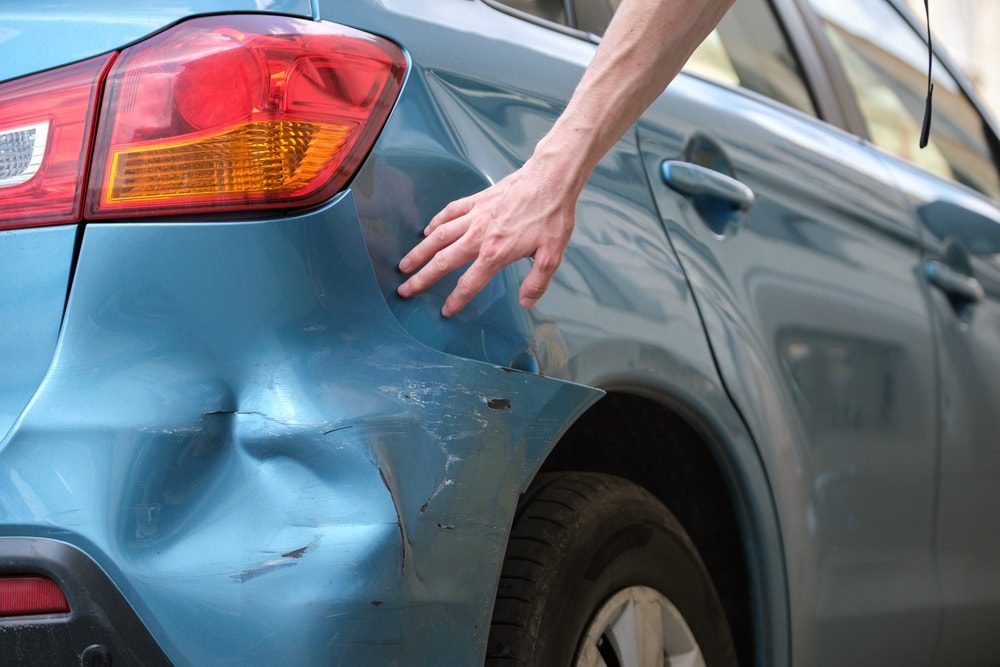
Owner checking dented bumper

Advantages of Legal Representation from Our Auto Accident Lawyers

In injury claims against an underinsured or uninsured driver, the insurance companies in Wisconsin may:

  • Fail to recognize the full extent and value of your injuries
  • Use delay tactics to frustrate you, hoping that you will settle for less
  • Diminish your claim by arguing you were partially to blame for the crash
  • Deny your insurance claim on the basis of policy technicalities

At Gingras, Thomsen & Wachs, our seasoned Wisconsin car accident attorneys have the skills and resources to take on powerful insurance companies and aggressively negotiate a fair settlement for your injuries and losses. However, we will be fully prepared to take the legal battle to the courtroom if a settlement is not reached.

When needed, our attorneys will work with accident reconstructionists, economists, and medical specialists to establish:

  • Fault of the other driver
  • Severity of your injuries
  • Current and future wage loss
  • Full extent of your pain and suffering
  • Your need for long-term care and rehab

Get Our Experienced Wisconsin Personal Injury Attorneys on Your Side

Catastrophic injuries in an accident can have a life-altering impact on you and your family. If the at-fault driver is underinsured, challenges increase for your full financial recovery. Our top-rated Wisconsin personal injury lawyers at Gingras, Thomsen & Wachs are determined to fight for maximum compensation for your injuries and losses.

Our lawyers will carefully evaluate complex insurance policies, pursue every possible layer of coverage available, negotiate strongly with the insurance company, and remain trial-ready at all times. When the stakes are high, you don’t have to wait after a serious accident to explore policy limits on your own. Reach out to our legal team as soon as possible. To schedule your free consultation, call us at 855-954-1186 or contact us online.

A car accident can be physically and emotionally devastating, but the situation becomes more complex when the negligent driver has no insurance. Wisconsin requires motorists to carry auto liability insurance, but many drivers violate this law. In uninsured motorist accidents, it is important to consult an experienced personal injury lawyer to explore your options for financial recovery.

Car crashed into parked car

Minimum Auto Insurance Coverage Requirements in Wisconsin

Every driver in Wisconsin must carry automobile liability insurance. The following minimum coverage limits are imposed under Wisconsin Statutes § 344.62:

  • Bodily injury or death of an individual: $25,000
  • Bodily injury or death of two or more individuals: $50,000
  • Property damage: $10,000

In addition, it is mandatory to include Uninsured Motorist (UM) coverage in every vehicle insurance policy. Minimum limits for UM coverage include:

  • Per individual: $25,000
  • Per accident: $50,000

Insurance companies are required to offer Underinsured Motorists coverage (UIM), but it is not mandatory to carry this insurance.

Can You Claim Damages in Uninsured Motorist Accidents?

If the at-fault party in Wisconsin has no auto accident liability coverage, you cannot claim compensation from their insurance company for your injuries and losses, even if you have uninsured or underinsured motorist coverage. However, you may still have legal options for financial recovery, depending on your uninsured or underinsured driver coverage.

File a Claim Under Your Uninsured Motorist Coverage

When you are injured in an accident with an uninsured driver, your own uninsured motorist coverage provides you with an opportunity to file an uninsured motorist claim. The car insurance company will pay the following under your uninsured motorists claim:

  • Medical bills
  • Lost income
  • Pain and suffering
  • Funeral/burial expenses (in wrongful death cases)

If you were injured in a hit and run accident in Wisconsin, where the license plate number of the at-fault driver may or may not be identified, your UM coverage might still be applicable.

While UM coverage in Wisconsin includes bodily injury coverage, it does not include vehicle damage. For this coverage, you should have a separate coverage called Uninsured Motorist Property Damage (UMPD), which is not mandatory in the state.

Most people assume their own insurance company will be on their side after a crash involving an uninsured driver. Unfortunately, that’s not always the case.

When you file an uninsured motorist (UM) claim, your insurance company technically acts as the opposing party. Although a UM claim arises from your own insurance policy — a first-party, contractual relationship — the moment your insurer disputes coverage or refuses to pay the amount you believe is owed, the process becomes adversarial. Each side is now advocating for its own interests, just like in any other legal dispute.

This is why it’s so important to have an experienced car accident attorney on your side. Your insurance company may minimize your injuries, question your damages, or delay payment in an effort to protect its bottom line. An attorney can ensure you are treated fairly and fight for the full compensation you’re entitled to under your policy.

Filing a Claim Against Uninsured Drivers

In Wisconsin, you have a right to pursue a claim against the uninsured motorist by filing a personal injury lawsuit. Even if the at-fault uninsured driver has a relatively weak financial ability to pay compensation as a lump sum amount, the court may order payments to be made over a period of time. If necessary, the court may also garnish wages or attach liens to the properties of the defendant.

If you’re involved in a hit-and-run accident and only catch the other vehicle’s license plate number, your uninsured motorist (UM) coverage may still apply

Recovery of Property Damages through Collision Coverage

Your insurance provider can reimburse you for car repairs or replace your vehicle if you have purchased collision coverage. No matter who is at fault in car accidents in Wisconsin, collision coverage pays for property damage. Notably, this coverage is optional in Wisconsin, so you should consider it especially if you own an expensive vehicle.

MedPay Coverage in Wisconsin

MedPay or Medical Payments coverage is optional in Wisconsin, but if your auto insurance policy includes MedPay, you will have coverage for your immediate medical costs, irrespective of whose negligence caused your accident and injuries. It usually covers the following expenses:

  • ER visits
  • Surgery costs
  • Hospital stay
  • Post-treatment rehab

MedPay coverage is for a relatively small amount, but it can provide immediate financial relief while your claim for UM coverage with the insurance provider is under review. Importantly, Wisconsin does not have Personal Injury Protection (PIP) coverage.

Why You Should Have a Lawyer on Your Side for UM Claims

Even if the insured driver has purchased adequate insurance for their protection, the challenge arises when someone else’s negligence leads to their accident, and the negligent party has no insurance. In this situation, when you pursue an uninsured motorist (UM) claim with your insurance company, they may:

  • Undermine or question the seriousness of your injuries
  • Dispute the uninsured status of the other driver
  • Ask for extensive documentation and evidence of causation
  • Adopt delay tactics or offer a lowball settlement amount

You should note that although the Wisconsin statute of limitations gives you three years to file an uninsured motorist claim, you may be required to notify your insurance company as soon as possible after the accident. Your policy may also specify a shorter time limit for submitting your UM claim.

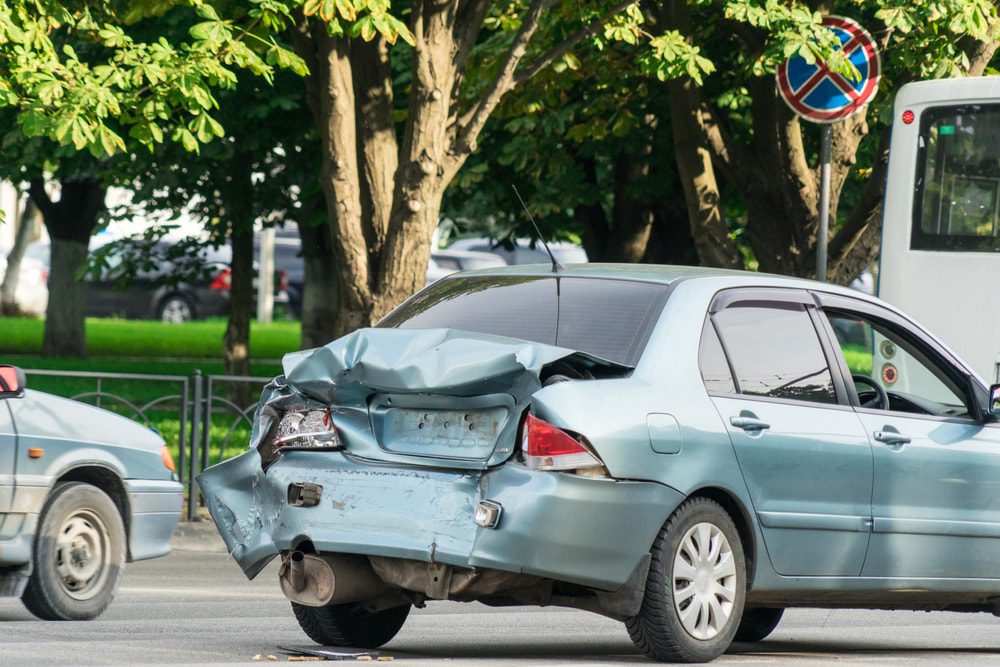
Rear-Ended Car

If you have representation from an experienced personal injury attorney, they will:

  • Promptly notify your insurance company of your claim
  • Collect medical records and other necessary documentation to establish your legitimate claim for damages
  • Engage in aggressive settlement negotiations with the insurer on your behalf
  • Evaluate any other insurance policies you may have, such as umbrella policies, homeowners’ insurance, or employer insurance

Tips for Your Financial Protection Against Accidents

Considering the fact that a significant number of motorists in Wisconsin may not have insurance, it may be prudent to protect yourself adequately against financial risks in case of an accident.

  • Buy a higher amount of UM insurance coverage instead of settling for the mandatory minimum amount imposed by the state.
  • Include underinsured motorist (UIM) coverage in your policy, even though it is not mandatory in Wisconsin.
  • To protect against vehicle damage losses, purchase adequate property damage coverage, such as collision insurance or UMPD.
  • Get legal help for uninsured driver accidents in Wisconsin as soon as possible to recover maximum damages.

Get Strong Legal Representation from Our Proven Car Accident Lawyers

If you or someone you love has suffered injuries in an accident due to another’s negligence, the experienced auto accident attorneys at Gingras, Thomsen & Wachs are ready to fight for you. We will identify every possible avenue to maximize your financial recovery and build a strong case to hold the defendants liable for damages. To schedule your free consultation, call us at 855-954-1186 or contact us online.
Following an accident involving a serious injury, the personal injury claims process that insurance companies usually adopt is designed to delay, devalue, or deny valid claims. Insurance adjusters may sound empathetic, but they will work to minimize the fair compensation you’re owed for your medical expenses, lost wages, and pain and suffering.

The insurance adjuster will set the tone to minimize your expectations and look for information that they could use against you later. While you’re faced with mounting medical bills and physical and emotional challenges, you don’t have to directly fight the tactics insurance companies use. Instead, let an experienced personal injury lawyer from Gingras, Thomsen & WAchs negotiate a fair settlement for you.

Photo of a Woman taking Notes

Here are some of the common tactics insurance companies may use:

Challenging the Necessity of Your Medical Treatment

If you have suffered serious injuries for which you’re seeking compensation, be ready for the adjuster to use the “causation denial” tactic, i.e., claim your injuries were minor or that your treatment was excessive, unrelated, or unreasonably prolonged.

There are numerous internal medical consultants and independent physicians out there who almost exclusively work with insurance companies to find ways to discredit injury claims. You might be asked to undergo an independent medical examination (IME), which is anything but.

If your physical therapy lasted three months, they may claim only four weeks were “medically necessary.” If you received injections or MRIs, they might argue these were non-standard or performed too soon.

Not to mention, they will almost certainly comb through your complete medical history to identify pre-existing injuries and health conditions, and argue that your symptoms stem from them (not caused by the accident). Framing your injuries as exaggerated or unrelated is the easiest way for them to reduce your claim value.

Hiring an “Independent Medical Examiner” to Reject Your Treatment

An independent medical examiner is someone you have never seen and who has never examined you, but they’re brought in to retroactively question your treating physicians’ decisions. This is one of the common insurance company claim tactics to devalue insurance personal injury claims.

If you’re receiving chiropractic care, physical therapy, or pain management after a crash as instructed by the medical team treating your injuries, the insurance provider might commission a “utilization review” where their chosen physician reviews your file. That doctor, paid by the insurer, might conclude your treatment was “not medically necessary” beyond a certain number of visits.

Shifting Blame to You Through Modified Comparative Negligence

Wisconsin follows a modified comparative negligence rule, under which you’re barred from recovering any compensation if you’re 51% or more at fault for the accident. This naturally gives insurers a strong incentive to push fault past the 50% threshold and decrease what they owe in proportion to the percentage of fault assigned to you.

In a rear-end collision, where liability seems quite obvious, the claims analyst might argue you contributed to the crash by suddenly stopping, having malfunctioning brake lights, or failing to maintain a safe lane position. For instance, if you’re found to be 40% at fault, your compensation could be reduced by 40%.

For insurance claim devaluation, they may cherry-pick facts from the police report, misinterpret traffic laws, misquote witness statements, or question medical records. Sometimes, they rely on incomplete or biased crash diagrams to make it look like you had more control over the outcome than you realistically did.

Using Bureaucracy to Pressure Low Settlements

Perhaps nothing is more effective for insurance claim devaluation than burying the claimant in red tape, taking weeks (or months) to respond, and routinely “losing” documents or requesting the same records multiple times. The more they can stall, the faster they can wear you down.

People who have been injured and have missed work, unpaid medical bills, or car repair costs to worry about are sometimes desperate enough to accept a lowball offer just to make the ordeal end.

The incredibly minimal amount of money offered by insurance companies early in the process has a name; it’s known as a “nuisance offer.” If they know you’re struggling to pay your bills and might accept the money without realizing the long-term costs of your injury, what do they have to lose?

Undermining Your Credibility by Surveilling Your Social Media

What you post online, or how you appear in public, can be taken out of context and used to argue that you aren’t as injured as you claim to be.

If you post a photo smiling at a family event, for instance, they might claim you aren’t in physical or emotional distress. If you’re tagged in a hiking photo two weeks after your accident (even if the photo was taken months before), that image can be submitted as evidence to dispute your pain or mobility limitations.

Using Prior Statements and Paperwork Against You

If there’s one thing a personal injury attorney will tell you to do to protect your interests, it’s to never sign any documents and speak to anyone (including the insurance company) about your accident without legal counsel present.

One of the first things the at-fault party’s insurer will do after an accident is request a recorded statement to get your side of the story. Don’t fall for it. It’s an officially recorded interview with questions intended to downplay your injuries, admit uncertainty, or say things that can be twisted later.

You might think you’re exchanging polite pleasantries with the adjuster when saying you’re feeling okay at the moment. But if you end up developing symptoms later, that single phrase could become their basis for arguing your injuries didn’t come from the crash. You might inadvertently say something to suggest negligence on your part, regardless of the other driver’s fault.

Photo of a Car

Exploiting Policy Limits You Didn’t Know Existed

Many car accident claimants don’t realize until it’s too late that the at-fault driver’s insurance policy has a low liability limit. And insurance uses that to their full advantage. If the policy only covers $25,000 in bodily injury and your damages are much higher, they will rush to tender the limits and walk away, regardless of how catastrophic your injuries are.

Worse, they may delay confirming policy limits until months into your treatment, stringing you along during negotiations without disclosing that there’s a cap on what they will pay because they aren’t legally required to tell you upfront in Wisconsin.

In some cases, they also challenge whether their policy even applies. If the at-fault driver borrowed someone else’s car or was using the vehicle for work (e.g., Uber), the insurer may argue there’s no coverage under their policy.

Schedule a Free Consultation with a Personal Injury Attorney in Wisconsin

At Gingras, Thomsen & Wachs, our seasoned car accident lawyers will move fast to collect medical evidence, police reports, photos and videos, surveillance footage, witness statements, and build a strong claim for damages against the at-fault party. We’re aggressive negotiators, and we won’t back down against pressure from the insurance company.

If the insurance company is determined to refuse a fair settlement offer for your injuries and losses, our attorneys are fully prepared to take the legal battle to the courtroom. We leave no stone unturned to recover damages for injury victims. To schedule your free consultation, call us at 855-954-1186 or contact us online.

If you have been injured in a car accident, your first concern is probably getting your medical bills paid and covering any lost income. But what if you think the crash was partly your fault? Can you still recover compensation?

Drivers in Wisconsin are legally mandated to carry liability insurance to make sure they can pay for the harm they cause others. Even if you’re to share some degree of blame for the accident, it doesn’t automatically block your right to compensation. However, it raises an important question: how much were you at fault?

Under the modified comparative negligence rule, you can still seek compensation as long as you’re not more than 50% at fault. The challenge is that the insurance companies will use every tactic they can to dispute fault and shift more of the blame onto you to reduce what they owe.

Photo of a Car Accident

Filing a Claim When at Fault: Don’t Admit Responsibility

Even if you believe you’re responsible for the accident (fully or partially), avoid admitting to it. Don’t tell another passenger or the driver involved in the crash that it was or might have been your fault. Avoid apologizing to anyone who was injured or saying anything that could be construed as an admission of guilt.

After the accident, if the police arrive on the scene, give them an honest account of the events that led to the crash, but again, don’t admit fault. You should explain only what you and the other driver(s) did without labeling it as right, wrong, or causal. Your goal is to stay neutral and factual, and let the legal or insurance process handle the fault determination.

For instance, if the collision occurred at an intersection after you made a left turn, don’t say, “I shouldn’t have turned,” or “It was probably my fault.” Simply state, “I turned left when the light turned yellow.”

Do the same when you’re speaking with the insurance adjusters. Report the basic facts and avoid adding blame-related language or conclusions. Your purpose isn’t to tell a lie. Instead, let the investigators, attorneys, or the police interpret the facts and assign responsibility based on evidence (not emotion or assumption).

A lot of drivers think their actions contributed to a crash, when the traffic laws or physical evidence clearly states that the other party was entirely responsible. You don’t want to accept unnecessary blame. If you were partly to blame, you could make your comparative negligence lawsuit worse for yourself.

The only individual you should be sharing your fears with is your car accident lawyer. Contact an experienced car accident attorney at Gingras, Thomsen & Wachs and disclose everything about the accident to your attorney, including whether you think you’re partially responsible.

How Modified Comparative Negligence Works in a Partially At-Fault Claim in Wisconsin

You can still recover compensation from another driver (or anyone else) who was also negligent and partly caused the accident. The amount of one’s liability in car accident cases is ascertained by comparing their negligence or recklessness with the negligent actions of the injured person.

There’s no set formula for calculating how much blame each person should carry after an accident. During settlement negotiations, both your actions and the other driver’s actions will be reviewed carefully. Your attorney and the insurance adjuster will go back and forth discussing what factors contributed to the crash and how much responsibility each party should bear.

That evaluation of fault, or “comparative negligence,” becomes just one part of the bigger negotiation process in personal injury claims, alongside how serious your injuries are and how much your medical treatment has cost.

If the other driver is entirely to blame (100%), you’re entitled to full compensation. But if you share some responsibility, your compensation will be reduced by your percentage of fault. If you’re found 50% or less at fault, you can still recover damages, but your total compensation in a personal injury lawsuit will be reduced in direct proportion to your degree of responsibility.

Notably, the modified comparative fault system is different from the pure comparative negligence system followed in some states, where the at-fault driver in car accidents is required to pay you proportionate compensation for your injuries, even if you were 99% to blame for your injuries.

How Is Fault Determined

A no-fault system means that each party involved in an accident may claim compensation from their own insurance company. However, Wisconsin follows the fault system, which means that the party at fault for the accident is financially responsible for any resulting damages.

Here are a few factors in a car accident case that insurance companies look at when assigning blame under Wisconsin’s modified comparative fault law:

  • Police reports
  • Statements from the drivers involved
  • Witness statements
  • Location and extent of vehicle damage
  • Video footage
  • Traffic citations
  • Skid marks, broken glass, and debris patterns
  • Weather and condition of the road
  • 911 call recordings
  • Data from the black box
  • Type of collision
  • Medical records and timing of treatment
  • Evidence of alcohol or drug impairment
  • Cell phone usage at the time of driving

In a partially at-fault claim, when injured victims are seeking compensation, they may not realize the sheer volume of evidence available in each case. It’s easy for them to miss something important, or worse, have the insurance company take advantage of their investigative prowess and twist facts in a way that pushes more blame onto you.

To make sure the right evidence is collected and preserved promptly, consult with a car accident attorney at Gingras, Thomsen & Wachs as soon as possible after the crash. Much of the physical evidence (video footage, for one) is easily lost, destroyed, or written off, unless your attorney takes proactive measures to preserve it.

Get Strong Legal Representation After a Motor Vehicle Accident in Wisconsin

In a personal injury case, determining compensation and proving liability of the negligent party are the most important goals. Speak to one of our car accident attorneys at Gingras, Thomsen & Wachs and let us fight for fair financial recovery for your medical expenses, lost wages, and pain and suffering. To schedule your free consultation, call us at 855-954-1186 or contact us online.

According to the traditional fault-based (tort) liability system in Wisconsin, the driver legally determined to have caused the accident is responsible for covering the medical expenses of those injured. But this is only possible if the injured victim can provide sufficient evidence to establish liability. Once fault is proven, the injured party has the right to pursue compensation from the at-fault driver’s auto insurance carrier.

As straightforward as it sounds, it rarely happens that way in personal injury cases. Regardless of how much physical evidence you have against the other party, their insurance company may try to dispute your claim or minimize their liability to protect their own bottom line.

Car crashed into parked car

Who Covers Medical Costs After an Accident in WI

Every driver who registers and operates a vehicle in Wisconsin is legally required to carry a minimum amount of liability auto insurance as a way to pay for any injuries and property damages they cause to other people in an accident. Known as 25/50/10 coverage, the law has specified these limits:

  • $25,000 for bodily injury to one person
  • $50,000 for bodily injury to all persons in a single accident
  • $10,000 for property damage

Assuming the at-fault driver is carrying this vehicle liability insurance (it’s mandatory), their insurance company is legally responsible for covering your medical bills after a car crash in Wisconsin, including:

  • Emergency room visits
  • Hospital stays
  • Follow-up appointments
  • Physical therapy
  • Medications
  • Future medical costs related to the injury

The Insurance Company Won’t Pay Immediately

Remember that the other driver’s insurer won’t be paying medical expenses as they’re incurred. Unlike health insurance, auto liability carriers don’t issue rolling payments for treatment even if you have adequate medical payments coverage. Instead, they offer a one-time settlement after you have completed medical care and the full extent of your injuries is known.

If you have health insurance, your doctors may bill it first. If your auto insurance policy includes Medical Payments (Med Pay Insurer) Coverage, use it to pay for your medical expenses, regardless of who was at fault. It covers out-of-pocket costs (deductibles, co-pays, or treatment that health insurance may not fully reimburse) up to the limits you purchased.

When you’re paying for treatment from your own auto or health insurance policies or out of your own pocket, it may be tempting to accept the first settlement offer by the other driver’s insurer. Don’t make this mistake. You shouldn’t consider resolving your claim until your physicians determine you have reached Maximum Medical Improvement (MMI).

MMI indicates that your condition has stabilized and is unlikely to improve with further treatment. Settling prematurely could result in a low payout in auto accidents if future procedures, therapy, or long-term care become necessary.

Moreover, when you do accept a settlement, that compensation is also intended to reimburse any third parties who paid for your care in the interim. This includes health insurance providers who may assert subrogation rights, as well as any balances you paid directly.

The state law allows subrogated parties to be reimbursed from your settlement proceeds, subject to certain reductions if your Wisconsin car accident lawyer negotiated a compromise and subject to Wiscon’s Made Whole Law.

What If the At-Fault Driver’s Insurance Isn’t Enough?

Considering the cost of medical care today, it’s no wonder that the minimum coverage amount required by Wisconsin law is quite low. The $25,000 per person and $50,000 per accident (for all injured people) is rarely sufficient when the victims sustain serious or permanent injuries.

If the other driver (or owner of the vehicle) has insufficient coverage or no insurance at all, you may be able to get additional compensation through the UM/UIM (Uninsured/Underinsured) motorist coverage of your own auto policy.

In Wisconsin, about 15% of all registered drivers don’t carry any auto insurance, so there’s always a chance that your accident may be with an uninsured driver or vehicle. Your own uninsured motorist coverage is then the only place you can turn for compensation. You can sue the at-fault driver if you wish, but uninsured or underinsured drivers rarely have enough assets to make this worthwhile.

Rear-end collision of blue and black car

Other Avenues to Obtain Compensation After an Accident in Wisconsin

In some car accidents, the negligent driver isn’t the only party that could be held liable for your injuries. Seasoned Wisconsin car accident lawyers will investigate the liability of all potential parties, such as:

  • The vehicle owner (if different from the driver)
  • Employer of the commercial vehicle (under the “respondeat superior” doctrine)
  • Other drivers who may have contributed to the auto accident
  • City, county, or state government (for unsafe road design, missing signage, or lack of maintenance)
  • Vehicle manufacturers or auto part makers (for a defective component)
  • Bars or restaurants (dram shop liability)
  • Car repair mechanics (for negligent repairs or inspections)
  • Insurance coverage of rideshare companies

An experienced Wisconsin car accident attorney can identify all parties who share blame for your accident to maximize the amount of the settlement. If more than one person or organization is at fault, an experienced car accident lawyer will collect evidence to build a strong personal injury claim for damages from all the defendants.

Our Car Accident Lawyers Will Fight to Maximize Your Financial Compensation

When you settle a car accident injury claim, not all of that money goes directly into your pocket. Before you receive your final net compensation, certain reimbursements have to be made towards your treatment bills, legal fees, and subrogation claims (money owed back to insurers or providers who paid your bills up front).

How much of that personal injury settlement you get to keep depends on how strategically those bills and reimbursements are handled during your case.

At Gingras, Thomsen & Wachs, our attorneys will move fast to collect evidence after your Milwaukee car accident occurred to establish liability. From collaborating with healthcare providers for your medical treatment to calculating the real cost of your serious injuries and losses, our legal team takes care of every aspect of your claim.

To schedule your free consultation, call us today at 855-954-1186.

Immediately after you have been injured in an accident, it’s natural to be confused, in pain, and maybe a little angry. However, if you (and other passengers in your car) have sustained serious injuries, you must regain clarity of mind to make sure you take the required steps for a successful insurance claim.

In this Milwaukee car accident guide, our personal injury attorneys at Gingras, Thomsen & Wachs will walk you through all the vital Milwaukee auto accident steps you need to take in the first few days after the crash to make your claim process as smooth as possible, so you can receive the compensation you’re owed.

Aerial view of the Milwaukee

Call 911

Your first step after a Milwaukee car accident should be to call 911. This ensures that first responders and the police can quickly reach the crash site, provide emergency medical aid, and create an accident report. The report may later serve as a critical piece of evidence in your personal injury claim against the negligent driver who caused your injuries.

Seek Prompt Medical Attention

You should see a doctor after your car accident, even if you’re feeling fine. Some internal injuries, such as organ damage or concussions, may not reveal visible symptoms immediately.

Proper and timely medical care will protect your well-being and also serve as key evidence of your injuries later on during your claim process. If you delay medical treatment, the insurance company may claim that your neglect worsened the injuries and that the defendant is not responsible for it.

Preserve the Physical Evidence

Physical evidence is key in establishing who was at fault for the accident. This includes a dent in your car demonstrating where it was hit, damage in the rear showing how hard the collision was, and your bloodied or torn clothing to provide undeniable evidence of your physical injuries.

Use your smartphone (or ask someone nearby) to take photos or record a video of:

  • Close-up and wide shots of your and the other party’s vehicles
  • Position and location of the vehicles (before they’re moved or towed away)
  • License plates
  • Broken glass, skid marks, and other debris on the road
  • Traffic signs, lights, intersections, or any obstructions (e.g., potholes, snow) in the vicinity
  • A head-to-toe shot of your body (for any bleeding, swelling, bruises, cuts, airbag burns)
  • Broken windshield, deployed airbags, and other interior damage

If your car has a dash cam, download and save the footage immediately. If possible, check for traffic cameras or business surveillance cameras near the accident scene and retain that footage as well, preferably within 24-72 hours.

If you don’t photograph or preserve this type of evidence in the first few days after your crash, it may get destroyed, lost, or modified. It’s difficult for an insurance company to contradict or deny what happened when it’s displayed in a photograph.

Talk to Witnesses

If there were people present at the time of your accident, whether they were strangers or people you know, ask them for a statement and write it down. If they’re willing, record a video statement with your phone. Ask them to describe what they saw and precisely where they were when they saw it.

This is one of the most important post-accident actions, as witnesses go a long way in confirming your side of the story and thus, strengthening your claim. Note their names, home addresses, mobile phone numbers, email addresses, and recollections of the event as soon after the crash as possible.

Write Everything Down

As soon as you reach home or your head is clear enough after the accident, write down:

  • How the accident occurred (where you were going, what you were doing, if there were any passengers in your vehicle, the weather, the time, etc.)
  • All the physical impacts (shocks, whiplash, blows, twists) your body felt immediately before, during, and after

Then, in the following days, make daily notes of any discomfort, pain, loss of sleep, anxiety, or other problems caused by your injuries that may not be as visible.

Car accident crash site

Also, document anything you have lost due to your injuries and the accident—work hours, job opportunities, vacation, social or family gatherings, etc.—that would have benefited you but you were unable to participate in.

If you had any conversations about the accident or your claim with any witnesses, medical personnel, claims adjuster, or other representatives of the insurance company, document that as well.

Report the Accident to the Wisconsin Department of Transportation (WisDOT)

Under Wisconsin Statutes 346.70(1), you must report a crash you caused or were injured in to the local law enforcement and the DMV if:

  • It resulted in a car accident injury or death to any person
  • It caused $1,000 or more in personal property damage to any vehicle or other property
  • It caused $200 or more in damage to government property (traffic sign, guardrail, light pole)

If someone from the Milwaukee Police Department shows up at the accident scene, they will automatically file a crash report on your behalf. However, if they do not respond, you need to file a Driver Report of Accident (Form MV4002) with the WisDOT within 10 days of the crash.

Please note, if you’re filing the report and it asks for a statement regarding how the crash occurred, only give a very brief statement of the facts. It is important to refrain from providing any opinions about fault. The insurance company will likely access this report during the claims process, and if you have acknowledged any fault, it may reduce (if not eliminate) your compensation.

Notify Your Own Insurance Company

You should notify your own insurer about the basic facts of the accident within the first 72 hours. Every auto policy in Wisconsin includes a “prompt notice” clause under which you must notify the company within a reasonable time frame (usually 24 to 72 hours).

Although the other (at-fault) driver is legally liable for your damages, their insurance company will not pay for your medical bills, vehicle repair, and lost wages right away. It will take them several weeks or months to investigate and assign fault, and even then, they may delay or dispute your claim.

Informing your own insurance will help you cover these expenses, depending on what coverages you carry (e.g., collision coverage, uninsured/underinsured motorist coverage, and MedPay). If you fail to provide a timely notice of the accident, you could lose access to important coverage that might have helped you.

Hire a Milwaukee Car Accident Attorney to Pursue Compensation

If you or your loved one sustained severe injuries in a car accident in Milwaukee, the sooner you file a claim, the sooner you might be able to settle it and recover fair compensation. Working with our Milwaukee injury law representation can help ensure the insurance company does not undermine your case and that all legal deadlines are met.

Keep in mind that if the at-fault driver’s insurance company refuses to settle, denies their fault, or offers an unfairly low compensation, you only have three years (from the date of the accident) to file a personal injury lawsuit against them. If your accident was caused by an employee of the city, county, state, or federal government, you only get 120 days to file a Notice of Claim.

If you have been injured in a car accident in Milwaukee, contact Gingras, Thomsen & Wachs LLP. Our skilled attorneys are here to help you hold the negligent party accountable and pursue the maximum possible compensation. Call 855-954-1186 to schedule a free consultation today.

If you drive a car or routinely ride as a passenger, there’s always a risk of an accident resulting in severe injuries due to another’s fault. The first notion you need to abandon at that time is that the insurance company is on your side.

You may not know this, but by the time you call your insurer to report a crash, they have already assigned a claim number, flagged you in their system, and started reviewing how little they can pay to make you go away. As “helpful” as the insurance adjuster may sound, in most cases, their goal is to devalue your case from day one.

Lawsuit in a car accident

Benefits of Hiring a Lawyer After a Car Accident in Wisconsin

An experienced personal injury attorney knows that the sooner you seize control of the narrative, the better your chances of obtaining a fair settlement for your economic and non-economic damages. They achieve this through the legal process by:

  • Preserving the dash cam and traffic cam footage, black box data, and surveillance video from nearby businesses before it gets deleted, “lost,” or recorded over
  • Issuing spoliation letters under Wisconsin law to warn the defendant(s) not to destroy evidence, or face court sanctions
  • Coordinating with your car accident injury treatment team to document every step of your care so it aligns with the legal elements of a negligence claim

Another important thing to note is that timing is critical in motor vehicle accident claims in Wisconsin for two reasons:

  • Generally speaking, you only have three years from the date of the accident to file a claim (and two years to file a wrongful death claim if the accident resulted in your loved one’s death).
  • The longer you wait to start legal proceedings, the more time you give the defense to build a case against you and your damages.

Here are some of the biggest advantages of retaining a car accident attorney for strong legal representation.

They Investigate Your Case Better than You Can on Your Own

If you’re getting legal help after a car crash from a full-fledged personal injury law firm, they will have their own team of investigators to gather evidence supporting their clients’ cases. Because an auto accident attorney knows that how well you settle your claim may depend on how well you start it.

In addition to obtaining official crash reports from the relevant police department and contacting any witnesses, they also have the means to recover crash data (speed, braking, steering input) from a vehicle. Your personal injury attorney can send spoliation letters to preserve this data and prevent tampering.

They Build the Medical Foundation for a Strong Legal Argument

In the early weeks immediately following your accident, when you’re feeling overwhelmed by medical appointments, tests, and treatments, your attorney is creating the foundation of your claim.

Documenting your medical records and framing them in a way that directly aligns with legal causation is critical. Your recovery is tracked just as methodically to substantiate ongoing pain and future medical needs related to your injuries.

They Create a Demand Letter That Signals Serious Intent

In the eyes of the law, there’s a difference between having information about an accident and injuries, and putting it together into a persuasive written claim (demand letter) to seek compensation for medical expenses, lost wages, and pain and suffering.

Driver talking on the phone

A demand package prepared by an experienced car accident attorney could mean the difference between a quick resolution and prolonged litigation. This package, sent by your personal injury lawyer to the insurance company, will contain:

  • Liability and fault analysis (documentation concerning who was at fault)
  • Accident reports (police reports)
  • Photos of the car accident scene and the accident location
  • Photos of your injury (and damaged clothes)
  • Witness statements
  • Applicable Wisconsin laws (e.g., the Vehicle Code)
  • Evidence of prior incidents to establish a pattern
  • Medical records related to your personal injury claim
  • Medical billing (a copy of every bill you receive for treating the injury)
  • Copies of your insurance and the other driver’s insurance
  • Documentation showing lost income, vehicle repair bills (car repairs), property damage, diminished earning capacity, and long-term care needs
  • References to recent jury verdicts in similar car accident cases in Wisconsin

The letter also includes a demand for a lump sum to settle your car accident claim.

They Make the Insurance Company Assess Risk

In personal injury cases, the speed at which an insurance company offers you a settlement has nothing to do with the fairness of your claim. Their driving force is cost containment.

Insurance carriers are well aware that the longer they delay, the more they will spend on claim adjusters, legal teams, and court fees. As the expenses pile up, they realize that offering a settlement now (while they can still control the payout) is far cheaper than extending the process.

If you bring in lawyer services for car accident victims to protect your right to compensation, it introduces the possibility of going to trial. The stakes suddenly rise for the insurer. Once they realize that your attorney-backed claim has real value and that you won’t back down without fair compensation, it becomes more cost effective for them to settle early and avoid the escalating costs of litigation.

Consult with a Proven Car Accident Lawyer Today

Approaching your car accident claim in serious accidents like a standard insurance claim is a mistake that could cost you a lot, especially when disputed liability or complex legal issues are involved.

Remember, insurance providers are risk-calculating entities by their very nature. They settle when they’re convinced that the financial risk of going to trial (presided over by a jury of your peers) outweighs the cost of paying you now. In a personal injury lawsuit, a jury could return a verdict that exceeds what they’re willing to pay voluntarily.

So, if your accident has resulted in injuries that have impacted your appearance, physical capabilities, or quality of life, don’t hesitate to reach out to a dedicated attorney for car accident legal advice. At Gingras, Thomsen & Wachs, our personal injury and wrongful death claim attorneys have 35+ years of experience.

We will leave no stone unturned to prove liability and pursue compensation for your injuries and losses. Call us at 855-954-1186 or contact us online to schedule a free consultation today.

Distracted driving is a leading cause of car accidents across the United States, contributing to thousands of injuries and fatalities each year. While many people associate distracted driving solely with texting or talking on the phone, there are four distinct distracted driving types: visual, manual, cognitive, and auditory.

Each of these common driving distractions can impair a driver’s ability to react appropriately, increasing the risk of motor vehicle crashes.

Young man talking on the phone while driving

Visual Distractions: Taking Your Eyes Off the Road

A visual distraction occurs when a driver looks away from the road, even for a few seconds. Taking your eyes off the road for as little as five seconds at 55 mph is equivalent to driving the length of a football field blindfolded.

Examples of Visual Distractions

  • Reading or sending a text message
  • Looking at a GPS or navigation system
  • Checking a notification on a smartphone
  • Looking at a passenger while talking
  • Staring at a roadside accident (rubbernecking)
  • Adjusting vehicle controls (radio, climate settings, mirrors, etc.)

Dangers of Visual Distractions

  • Delayed reaction time to sudden traffic changes
  • Increased risk of missing road signs, traffic signals, or hazards
  • Higher likelihood of drifting into another lane or off the road

Drivers should keep their eyes on the road at all times and use voice-controlled systems or preset GPS destinations before starting their trip to minimize visual-related driver distraction.

Manual Distractions: Taking Your Hands Off the Wheel

A manual distraction happens when a driver removes one or both hands from the steering wheel to do something else. Even a momentary loss of control can lead to catastrophic consequences, especially in high-speed traffic or hazardous road conditions.

Examples of Manual Distractions

  • Eating or drinking while driving
  • Holding a phone or typing on a keyboard
  • Adjusting the radio, climate control, or GPS manually
  • Reaching for something in the backseat or on the floor
  • Grooming (applying makeup, shaving, fixing hair, etc.)
  • Holding a pet or object in one hand while driving

Dangers of Manual Distractions

  • Decreased ability to make quick steering corrections
  • Inability to respond swiftly to unexpected road conditions
  • Higher likelihood of veering off the road or into another lane

To reduce these types of driving distractions, drivers should secure all loose items before driving, eat meals before or after a trip, and avoid using handheld devices.

Cognitive Distractions: Taking Your Mind Off Driving

A cognitive distraction occurs when a driver’s focus shifts away from driving, even if their hands are on the wheel and their eyes are on the road. This type of distraction is particularly dangerous because drivers may falsely believe they’re fully engaged when their minds are elsewhere.

Examples of Cognitive Distractions

  • Talking on the phone (even hands-free conversations)
  • Engaging in deep conversations with passengers
  • Daydreaming or thinking about stressful events
  • Driving while fatigued or drowsy
  • Focusing on work, personal problems, or upcoming events
  • Listening to emotionally charged music or podcasts

Dangers of Cognitive Distractions

  • Slower reaction times and impaired judgment
  • Increased risk of missing important traffic cues
  • Higher likelihood of failing to notice pedestrians, cyclists, or road hazards

To combat cognitive distractions, drivers should stay mentally engaged in driving, avoid deep or emotional conversations, and pull over if they feel fatigued or distracted.

Auditory Distractions: Sounds That Pull Your Attention Away

Man hand is using the phone while driving

An auditory distraction occurs when a driver is distracted by sounds inside or outside the vehicle. While it may seem harmless, excessive noise can divert attention from important traffic sounds and create a sensory overload that reduces focus.

Examples of Auditory Distractions

  • Loud music or conversations in the car
  • Talking on the phone or using voice assistants
  • Hearing a loud noise outside, such as a siren or honking horn
  • Crying babies or loud children in the backseat
  • Audio alerts from GPS, social media, or mobile apps

Dangers of Auditory Distractions

  • Failure to hear emergency vehicle sirens or car horns
  • Delayed response to surrounding traffic sounds
  • Inability to concentrate on road conditions and driving maneuvers

To minimize these dangerous distractions, drivers should keep music at a reasonable volume, limit phone conversations, and avoid engaging in loud discussions while driving.

Why Texting While Driving Is Dangerous

Each type of distraction poses unique risks of serious or fatal crashes, but they may also occur simultaneously. Texting while driving, for example, is a combination of all four types of distractions. According to the Virginia Tech Transportation Institute (VTTI), drivers who engage in texting while driving are 23 times more likely to be involved in a crash. Texting while driving involves these distractions:

  1. Visual: Looking at electronic devices instead of the road
  2. Manual: Engaging in physical cell phone use instead of keeping both hands on the wheel
  3. Cognitive: Thinking about the message instead of driving
  4. Auditory: Hearing notifications or responses from the other person

Because texting and driving combines all four distractions, it’s one of the most dangerous types of distracted driving behaviors. The USDOT states that sending or reading a text takes a driver’s eyes off the road for an average of 4.6 seconds, significantly increasing the risk of a crash.

How Our Motor Vehicle Accident Lawyers Prove Distracted Driving

At Gingras, Thomsen & Wachs, our experienced auto accident lawyers will thoroughly investigate and collect compelling evidence to prove negligent actions of the distracted drivers that led to your accident and injury.

Cell Phone Records and Digital Data

These records can reveal whether the driver was:

  • Texting or making phone calls at the time of the crash
  • Browsing social media, emails, or websites
  • Using navigation apps or streaming services

Traffic Camera and Surveillance Footage

This video evidence may capture:

  • The driver looking down at their phone or another distraction
  • Swerving or delayed reactions that indicate inattentiveness
  • Running red lights or stop signs due to distraction

Eyewitness Testimony

Statements from passengers, pedestrians, other drivers, or bystanders can confirm that the driver was:

  • Texting, eating, or applying makeup
  • Holding a pet or reaching for an object
  • Looking at a GPS or interacting with passengers instead of focusing on the road

Police Reports and Officer Observations

These reports may include:

  • Statements from the at-fault driver admitting to using their phone or being distracted
  • The officer’s observation of skid marks or lack of braking, indicating delayed reaction time
  • Citations issued for reckless or inattentive driving

Accident Reconstruction and Expert Testimony

If necessary, we will work with accident reconstruction specialists to analyze:

  • Vehicle positioning and impact angles to determine if the driver failed to brake or swerve in time
  • Speed analysis to assess whether distraction caused delayed reactions
  • Electronic data recorder (EDR) or “black box” data, which may show a lack of braking before impact

Car crashed into parked car

Social Media and Digital Activity Evidence

Our attorneys will investigate:

  • Recent social media posts made by the driver just before the crash
  • Time-stamped messages or comments proving phone usage
  • Selfies, videos, or live-streaming activity that may have contributed to the accident

Vehicle Data and Infotainment System Logs

Modern vehicles are equipped with infotainment systems that store data, including:

  • Bluetooth call logs that show if the driver was on a call
  • Touchscreen interactions revealing that the driver was adjusting settings instead of focusing on driving
  • Voice command usage records that may indicate distraction

Choose Our Experienced Auto Accident Attorneys to Maximize Your Compensation

If you or a loved one has been injured in a distracted driving accident, our proven motor vehicle accident lawyers at Gingras, Thomsen & Wachs will fight to hold the negligent driver liable for the highest possible damages. To schedule your free consultation, call us at 855-954-1186 or contact us online.

Blind spots, also known as “no-zones,” are areas around a vehicle where the driver has limited or no visibility. For 18-wheelers, these blind spots are larger than those of passenger vehicles, making them a major hazard for other drivers on the road.

Awareness of these blind spots can help prevent accidents and ensure safer driving around large commercial trucks. Gingras, Thomsen & Wachs LLP truck accident lawyers can provide you with the strongest legal representation you need to recover maximum compensation for your injuries and losses.

18-Wheeler Blind Spots (Truck No-Zone Areas)

An 18-wheeler’s blind spots pose a danger to other motorists, as the truck’s massive size and restricted maneuverability make sudden adjustments difficult.

Front Blind Spot (Directly in Front of the Truck)

  • Extends approximately 20 feet from the front bumper.
  • As the truck’s cab is elevated, drivers cannot see vehicles that are too close in front.
  • The larger the truck, the longer its front blind spot, especially with sloped hoods or large instrument panels blocking forward visibility.

If a smaller vehicle suddenly slows or stops within this blind spot, the truck driver may not have time to react, leading to rear-end collisions or override accidents, where the truck runs over the smaller vehicle.

Rear Blind Spot (Directly Behind the Trailer)

  • Extends 30 to 50 feet behind the truck’s trailer.
  • Unlike passenger vehicles, trucks lack a rearview mirror that allows them to see directly behind.
  • Limited visibility from side mirrors makes it nearly impossible for the truck driver to detect vehicles tailgating or following too closely.

If a truck brakes suddenly, a following vehicle may not have enough stopping distance, leading to rear-end crashes or even underride accidents, where the smaller car gets lodged under the trailer.

Left-Side Blind Spot (Driver’s Side No-Zone)

  • Begins near the cab and extends diagonally from the truck’s side mirror to the rear of the trailer.
  • This blind spot is smaller than the right-side blind spot but still significant.
  • Limited visibility when merging makes it difficult for truck drivers to detect vehicles passing on the left.

If a driver stays too long in this zone while attempting to pass, the truck driver may not see them, leading to sideswipe collisions or a forced-off-the-road truck crash if the truck shifts lanes.

Right-Side Blind Spot (Larger than the Left-Side Blind Spot)

  • Extends several lanes wide, covering the entire right length of the truck and trailer.
  • Trucks make wide right turns, often swinging left before completing a turn, which can trap smaller vehicles in the right-side blind spot.
  • The truck’s exhaust stacks and frame can further obstruct visibility, making it even harder to detect smaller cars on the right.

If a truck changes lanes or turns right, it could crash or force vehicles off the road, leading to severe or even fatal accidents.

Why Are Trucks’ Blind Spots Dangerous?

Semi truck blind spots create significant risks, including:

  • Sideswipe Collisions: When vehicles remain in a truck driver’s blind spot for too long
  • Underride Accidents: When a vehicle follows too closely and gets trapped under the trailer during sudden braking
  • Turn-Related Crashes: Drivers of large trucks may not see a car in their right-side blind spot when making a wide right turn

How to Safely Share the Road with 18-Wheelers

To minimize the risk of a semi truck accident, follow these safety tips:

  • Avoid truck blind spots if possible. If you must pass, do so quickly and safely.
  • Pass on the left. The left-side blind spot is smaller than the right-side one.
  • Maintain a safe following distance. Stay at least four to five seconds behind a truck.
  • Do not cut off a truck. Give at least 20 feet of space before merging in front.
  • Be cautious when a truck turns. Never squeeze between a turning truck and the curb.

How Our Truck Accident Attorneys Prove Negligence in a Blind Spot AccidenT

Small car passing a semi truck

At Gingras, Thomsen & Wachs, our investigative team moves fast to collect critical evidence. Based on strong evidence, we build a powerful case to hold negligent semi truck drivers and their employers accountable for failing to take proper precautions when maneuvering in blind spot areas.

Black Box Data and GPS Records

An 18-wheeler’s electronic logging device (ELD) records speed, braking patterns, and steering inputs. GPS data can show if the truck suddenly veered into another lane or failed to slow down appropriately before merging. This evidence is critical in proving whether the driver acted negligently by failing to check their blind spots before making a maneuver.

Dashcam and Traffic Camera Footage

Video footage from the dashcam of the tractor-trailers, highway surveillance, or nearby businesses can provide critical proof of whether the truck driver checked their mirrors, used turn signals, or recklessly changed lanes. If the footage shows the truck merging into a lane without proper caution, it can establish liability.

Truck Driver’s Logbooks and Hours of Service (HOS) Violations

Fatigue is a major factor in truck accidents. Federal regulations limit the number of hours a truck driver can operate without rest. If logbooks reveal violations or inconsistencies, it may suggest that driver fatigue contributed to the failure to properly check blind spots in the truck’s mirrors before changing lanes.

Truck Maintenance and Inspection Records

Trucks must have properly adjusted mirrors and functional blind spot detection systems. If the trucking company fails to maintain these safety features, it could contribute to a blind spot accident. Our attorneys will obtain maintenance records to determine if defective equipment played a role.

Eyewitness Statements

Testimonies from other drivers, pedestrians, or passengers can provide an unbiased account of how the accident occurred. Witnesses can confirm whether the truck driver failed to check a dangerous blind spot, changed lanes abruptly, or ignored other vehicles in adjacent lanes.

Accident Reconstruction Reports

We may work with accident reconstruction experts to analyze the crash scene, including vehicle positioning, impact points, and road conditions. By reconstructing the sequence of events, we can determine whether the truck driver’s negligence in monitoring blind spots caused the accident.

Medical Records and Injury Documentation

To establish the severity of your injuries and their direct connection to the crash, we collect medical reports, doctor’s evaluations, and medical expert testimony. We will prepare a strong claim for damages that covers the full extent of your injuries and losses, including current and future medical expenses, lost wages, and pain and suffering.

Get Our Experienced Truck Accident Lawyers on Your Side

If you or a loved one has been injured in a car, truck, or motorcycle accident, the dedicated attorneys at Gingras, Thomsen & Wachs are ready to fight for the justice you deserve. With more power, more fight, and the most heart, we have spent decades helping accident victims in Wisconsin and Minnesota recover more than $200 million in compensation.

We work on a contingency fee basis, so you pay nothing unless we win your case. At Gingras, Thomsen & Wachs, we treat every client like family. To schedule your free consultation, call us at 855-954-1186 or contact us online.
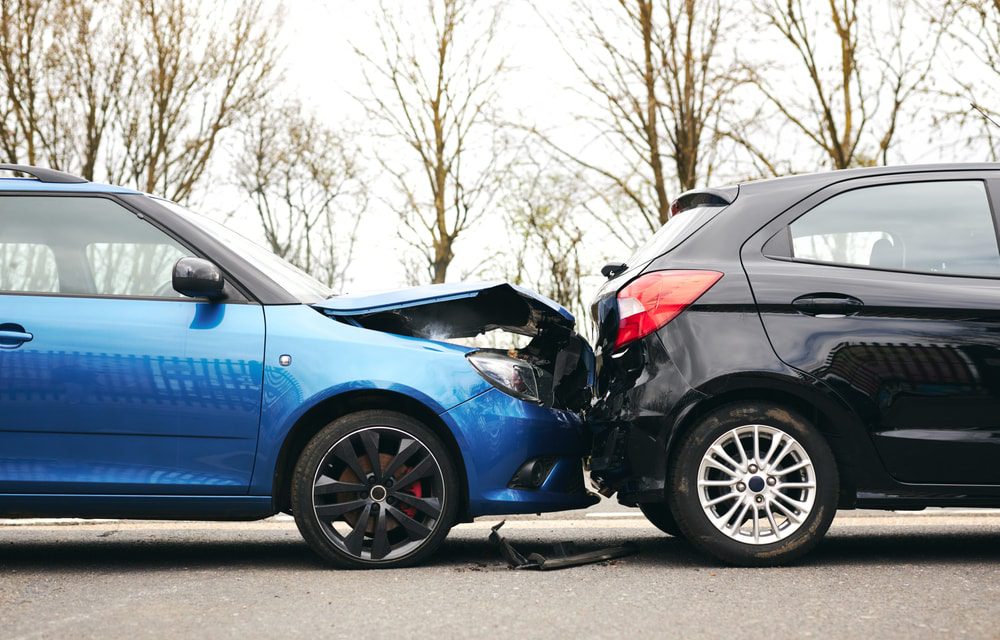
Facebook-circled Facebook-circled
Linkedin-circled Linkedin-circled
Instagram Instagram
Youtube-play Youtube-play
Rss Rss
101 Putnam St
P.O. Box 390

Eau Claire, WI 54703

8150 Excelsior
Drive

Madison, WI 53717

219 N Milwaukee St
Suite 520

Milwaukee, WI 53202

Nationally Recognized Law Firm

Super Lawyers - profiles.superlawyers.com