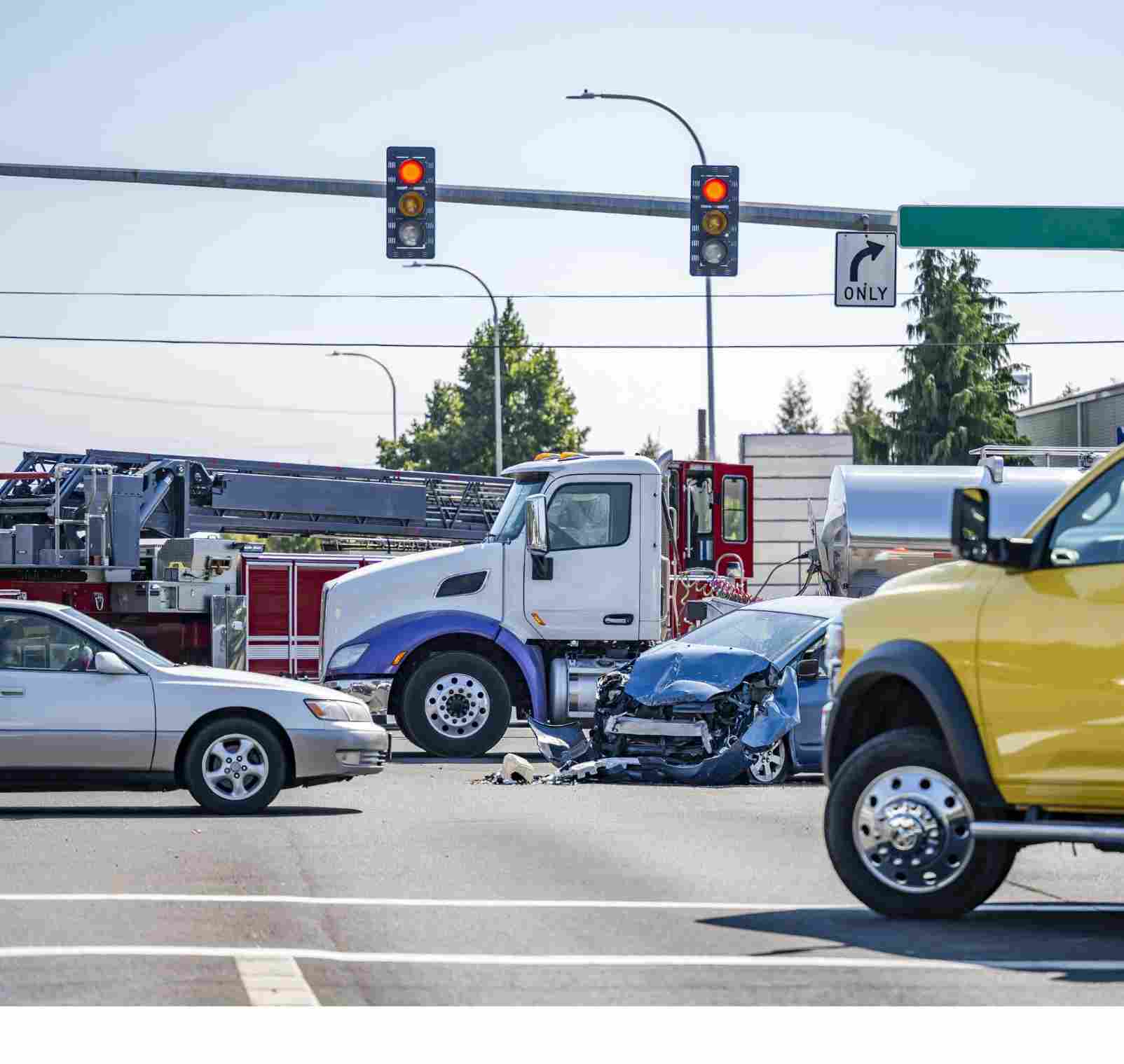
After a car accident, you might feel overwhelmed and out of sorts – especially if you were injured. But the good news is that you don’t need to navigate the legal process on your own. An experienced car accident lawyer can help you every step of the way, guiding you from your first consultation to a final settlement or, if necessary, trial.

Here’s what to expect when you go to a car accident lawyer.

Step 1: Initial Consultation

Whether your case involves a minor car accident or you sustained a serious injury, a car accident injury lawyer can help determine the best course of action.

During the initial consultation, the lawyer listens to your account of the accident, reviews any available documentation, and evaluates whether you have a viable claim.

You’ll also discuss important details such as potential compensation, the settlement timeline, and lawyer fees. Most firms, including Gingras, Thomsen & Wachs, operate on a contingency fee basis. This means you don’t pay us unless your case is successful.

Step 2: Investigation and Evidence Gathering

Once you decide to move forward, your attorney will begin a thorough investigation. This includes collecting police reports, medical records, witness statements, and any available video footage.

Determining liability is one of the most critical aspects of your case. A skilled attorney for car accident claims will analyze all contributing factors, such as driver negligence, road conditions, or vehicle defects, to build a strong argument on your behalf.

Step 3: Filing the Insurance Claim

Your lawyer will handle the insurance claim process from start to finish. This includes notifying the at-fault driver’s insurance company, submitting supporting evidence, and calculating damages. These damages may cover medical expenses, lost wages, property damage, and pain and suffering.

Insurance companies often attempt to minimize payouts, especially early in the process. Having a top-rated car accident lawyer advocating for you helps level the playing field.

Step 4: Negotiating with the Insurance Company

One of the most valuable roles of a car accident lawyer is managing all communication and negotiation with insurance adjusters. While you might think insurers have your best interests in mind, this isn’t always the case. Insurers are trained to protect their bottom line, which can mean offering quick settlements that fall short of covering your long-term needs.

Your car accident lawyer understands these tactics and will counter them with evidence, expert opinions, and a clear assessment of your damages. Having your lawyer deal directly with insurance allows you to focus on your recovery instead of stressful back-and-forth negotiations.

You can also have peace of mind knowing that if the insurance company disputes liability or downplays your injuries, your auto accident lawyer will push back aggressively.

Step 5: Settlement Discussions

Most car accident cases are resolved through a negotiated settlement. At this stage, your lawyer presents a demand package outlining the full extent of your damages and works toward an agreement with the insurer.

An experienced lawyer for a car accident will advise you on whether a settlement offer is fair or if further negotiation is recommended. While it can be tempting to accept a quick payout, your attorney’s goal is to secure compensation that truly reflects your losses.

Step 6: Filing a Lawsuit (If Necessary)

If negotiations fail to produce a fair outcome, your lawyer may recommend filing a lawsuit. This doesn’t mean your case will automatically go to trial. Many cases still settle during the litigation process.

But filing a lawsuit signals to the insurance company that you’re serious about pursuing full compensation. An experienced car accident lawyer uses this leverage to continue negotiating while preparing a strong case for court.

Step 7: Discovery and Pre-Trial Preparation

During the discovery phase, both sides exchange information and gather additional evidence. This may include depositions, expert testimony, and further medical evaluations.

Your attorney will handle all legal procedures, ensuring deadlines are met and your case is presented effectively. This phase is crucial in strengthening your position, whether the case settles or proceeds to trial.

Step 8: Trial or Final Settlement

If a settlement still isn’t reached, your case may go to trial. Here, your lawyer presents evidence, questions witnesses, and argues your case before a judge or jury.

While trials can extend the settlement timeline, they may be necessary to achieve the compensation you deserve.


Let Your Car Accident Lawyer Handle the Rest

Perhaps the greatest benefit of hiring a car accident lawyer is the peace of mind it provides. From managing the insurance claim to negotiating settlements and preparing for trial, your attorney takes on the legal burden so you can prioritize your recovery.

At Gingras, Thomsen & Wachs, our passionate trial lawyers understand the physical, emotional, and financial toll a car accident can take. With offices in Eau Claire, Madison, Milwaukee, and Waukesha, we have helped thousands of clients across Wisconsin get the compensation they deserve.

Call us at 855-954-1186 to schedule a free, confidential consultation with our team.

Legal terms can be confusing for anyone who isn’t a lawyer. If you’ve been in an accident or sued someone else, you’ve probably heard the terms “tort” and “personal injury.” But what’s the difference between a tort and a personal injury? Aren’t those the same thing?

They aren’t the same, but they’re related. Understanding tort law and personal injury law differences is helpful if you’ve been injured due to another’s negligence and intend to seek compensation for your physical and emotional injuries and lost wages.

personal injury

What Is a Tort?

Here’s the simple version: a tort is a legal term for a civil wrong. It means someone did something (or didn’t do something they should have) and it caused harm to another individual. That harm or injury could be physical, emotional, financial, or a combination of all three.

Tort law operates within the realm of civil court, not criminal court. That means, instead of facing jail time or criminal penalties, the goal is to make things right by compensating the person who suffered harm due to another’s fault.

The Three Types of Torts

Let’s break it down even more. Under civil law, tort claims usually fall into one of three categories:

  1. Intentional Torts: Intentional torts occur when someone causes harm on purpose. We’re talking about intentional acts like assault, battery, or defamation.
  2. Negligent Torts: This is where most people find themselves. These wrongful acts happen when another party’s negligence ends up hurting someone else. Think of the physical injuries and emotional distress of car accident victims.
  3. Strict Liability Torts: In this tort claim, it doesn’t matter if someone meant to cause harm or was careful. They’re still responsible. Strict liability tort law covers product liability, which is a big one here.

What Is Personal Injury?

Personal injury claims are a subcategory of the big tort legal framework. It refers to injuries to a person’s body, mind, or emotions, which are things that directly impact you. When someone says they have filed a personal injury claim, they mean they got injured because someone else was negligent. The goal of the injured party is to get compensated for:

  • Medical expenses
  • Lost income
  • Pain and suffering
  • Punitive damages (in rare cases)

Common personal injury lawsuits? Car accidents, truck wrecks, motorcycle crashes, slip and falls, premises liability, and medical malpractice. You’ve probably heard about those a lot.

Why the Distinction Between Tort vs. Personal Injury Matters

It Changes How the Case Is Handled

Let’s say someone punches you in the face. That’s probably an intentional tort, and your attorney would handle it differently in court compared to, say, tripping on a broken sidewalk outside of a store, which would constitute a negligence-based personal injury claim for financial compensation.

So knowing what kind of personal injury tort you’re dealing with can shape everything from the evidence you need to collect to the type of lawyer you might talk to.

The Legal Elements to Prove Are Different

In a personal injury lawsuit based on negligence, there are four boxes you need to check to prove your case:

  1. The other person had a duty to be careful (like a driver following traffic laws)
  2. They failed at that duty
  3. That failure caused your injury
  4. And that injury resulted in actual damages (like medical bills or time off work)

In intentional tort cases, like assault, the conversation shifts to proving that someone meant to hurt you. In cases involving strict liability, you may not even have to prove intent or negligence. During legal proceedings, you just have to show the harm caused to you under certain conditions.

Personal Injury Encompasses All Torts that Cause Injury

In a broader legal sense, “personal injury” encompasses all torts that injure a person – including physical, emotional, reputational, and dignitary harms. Many plaintiff’s attorneys (and courts) include harm such as defamation, privacy invasion, and intentional infliction of emotional distress under the umbrella of personal injury law.

Photo of a lady in front of the car holding her neck

How Does Insurance Coverage Work in Both Cases?

Here’s where things get even more real: insurance companies care a lot about how your case is classified.

If you’re injured in a car crash, your auto insurance is involved. If you fall on someone else’s property, it might be their homeowner’s insurance. Different torts can lead to different kinds of insurance claims, and some policies won’t provide coverage in certain cases.

Knowing if you have a legitimate personal injury case or some other kind of tort can help you (and your lawyer) figure out where to file the claim, what to expect in return, and what legal hoops you may have to jump through.

Watch That Clock: Statute of Limitations in Wisconsin

This part is vital. In Wisconsin, the amount of time you have to file a claim for reputational, dignitary, physical or emotional harm depends on what kind of tort it is.

  • Bodily injury: Generally three years, but there are exceptions
  • Defamation (libel/slander): Generally three years, but there are exceptions
  • Property damage: Generally six years, but there are exceptions (Note: Property damage from a car crash typically has a three years statute of limitations)
  • Intentional torts (like assault): Generally three years, but there are exceptions

It is important to file a claim within the deadline in personal injury cases. Your case could be tossed out, no matter how solid it is. So, be prepared to seek legal representation from an experienced personal injury lawyer as soon as possible.

Get Our Experienced Personal Injury Lawyers on Your Side

If you have suffered injuries due to another’s negligence, you may have a strong compensation claim. At Gingras, Thomsen & Wachs, our personal injury attorneys will fight tooth and nail to prove the liability of the at-fault party and pursue the highest possible compensation for you.

Our lawyers have the skills, experience, and resources to take on powerful defendants and large insurance companies. Our formidable record of settlements and verdicts speaks for itself. To schedule your free consultation, call us at 855-954-1186 or contact us online.

If you have ever slipped on a wet grocery store floor, tripped on a loose stair in an apartment complex, or been injured on someone else’s property, you might wonder: “Can I hold the property owner liable for my injuries?”

In Wisconsin, the legal answer falls under something called premises liability. It is a legal concept that holds property owners accountable when someone gets hurt because the property wasn’t reasonably safe. But it is not as simple as “I fell, so they’re at fault.” These cases depend on certain key components of premises liability in Wisconsin.

Photo of caution sign before escalator

What Is Premises Liability?

In simple terms, premises liability is the legal responsibility property owners (or tenants, landlords, business operators, etc.) have to make sure their property is reasonably safe for people who are allowed to be there.

If someone is injured because of a dangerous condition on the property and the owner knew about it (or should have known), that is where liability may come into play. Cases involving Wisconsin liability for property accidents could happen anywhere: homes, stores, restaurants, sidewalks, hotels, or rental buildings.  The most commonly seen examples include:

  • Slip and falls
  • Snow or ice-related accidents
  • Unsafe stairs or railings
  • Poor lighting
  • Falling objects
  • Lack of warning signs

The Four Key Wisconsin Premises Liability Elements

Not every injury on someone’s property results in a successful lawsuit. To hold a property owner legally responsible, you must prove the following essential elements under Wisconsin premises liability laws.

There Was a Dangerous Condition on the Property

The first part is to identify that there was something hazardous about the property that directly caused your injury. This could be a spilled drink on a store floor, an uneven sidewalk, or broken stairs with no warning sign. But it’s not just about the danger. You will have to prove that it was not a reasonably safe environment and that it wasn’t just a normal risk you would expect in that situation. For example, a small amount of rainwater in a store during a storm might be considered a normal risk, but a puddle that’s been sitting for hours with no caution sign is a different story.

The Property Owner Knew or Should Have Known About It

This is generally the most contested part of any premises liability claim. Just because a hazard exists doesn’t automatically make the owner or their insurance companies liable. The injured party has to follow the legal process to show that the owner knew about the dangerous condition, or should have known, had they been reasonably inspecting or maintaining the property.

This type of premises liability refers to “constructive notice.” For example, if a spilled drink sits on the grocery store floor for 45 minutes without being cleaned up or marked with a caution sign, a court might say the store “should have known” about it even if no one actually reported it.

They Failed to Take Reasonable Steps to Fix or Warn About It

Let’s say the owner knew about the problem. What did they do about it? This third element of negligence considers whether they made reasonable efforts to clean it up, fix it, or at least warn visitors about the danger. This could include:

  • Putting up caution signs
  • Roping off the area
  • Repairing the issue promptly
  • Adding lighting or safety rails
  • Shoveling or salting walkways in winter

The key operating word here is “reasonable.” No one expects property owners to prevent every accident, but they certainly are expected to act with ordinary care. If you are found partly responsible for the premises liability accident, you could potentially still recover partial damages under the rule of contributory negligence.

Their Negligence Caused the Injury

Finally, you have to show that the owner’s failure to fix or warn about the danger is what directly caused your injury. This is known as causation. If your injury was caused by something totally unrelated (like you tripped over your own untied shoelace), it won’t matter that the floor was wet.

But if you slipped on greasy food debris that should have been cleaned hours ago? Now you are talking about potential liability. This is where an experienced personal injury attorney from Gingras, Thomsen & Wachs can prove that the dangerous condition could have been avoided with reasonable care, and pursue fair compensation for your medical bills, lost income, and emotional trauma.

What If the Property Owner Is a Government Entity?

Filing a premises liability claim against a city, county, or state government is possible, but it can be more challenging. Under Wisconsin Statutes section 893.80, special rules apply:

  • You must give the government written notice within 120 days of the incident.
  • The notice must include details like what happened, where, and what you are claiming.

If you miss that deadline or fail to give enough information, your claim could be dismissed before it even gets started. And yes, this applies even in serious cases like injuries from poorly maintained sidewalks or public buildings.

Photo of Caution sign and caution line

Proving a Premises Liability Case in Real Life

So, what does this look like when your premises liability lawyer is building a case for damages on your behalf? Here’s what tends to be helpful:

  • Photos or videos of the dangerous condition
  • Witness statements (if someone saw the hazard or your fall)
  • Surveillance footage
  • Incident reports (particularly if it happened in a commercial location)
  • Medical records showing your injuries & treatment
  • Maintenance logs or inspection reports (if available)

The sooner you hire an experienced premises liability attorney and start collecting this information, the better. Property conditions change quickly. Ice melts, spills get cleaned, stairs get fixed, and surveillance footage may get overwritten. The longer you wait, the harder it is to prove your case.

Get Strong Legal Representation from Our Wisconsin Premises Liability Attorneys

If you or someone you love has been injured in a slip and fall or another premises liability accident, our lawyers at Gingras, Thomsen & Wachs will fight to prove the property owner’s negligence and pursue maximum compensation for your medical expenses, lost wages, and pain and suffering. We have helped people across Wisconsin recover more than $200 million in liability claims involving personal injury. As an award-winning firm revered by clients and legal peers alike, we will leave no stone unturned to ensure that the negligent parties are held liable for full damages. To schedule your free consultation, call us at 855-954-1186 or contact us online.

Truck accidents can lead to catastrophic injuries and fatalities, requiring extensive legal investigation to determine fault. Proving negligence in truck accidents is a complex process that involves gathering evidence, analyzing federal and state trucking industry regulations, and demonstrating how the at-fault party’s actions caused the accident and injury.

Photo of Truck Driver Yawning

Legal Basis for Proving Negligence in a Truck Accident Claim

To succeed in a personal injury claim, a plaintiff must provide truck accident negligence proof that establishes these four essential legal elements:

  • Duty of Care: The truck driver and trucking company have a legal obligation to operate safely and in compliance with federal and state laws to prevent harm to others on the road.
  • Breach of Duty: The responsible party violated this duty through negligent actions such as speeding, fatigued driving, or improper vehicle maintenance.
  • Causation: The breach of duty directly caused the accident and resulted in injuries or wrongful death.
  • Damages: The plaintiff suffered measurable losses, such as medical expenses, lost income, or pain and suffering, as a result of the accident.

Liability Beyond the Truck Driver: Who Else Can Be Held Responsible?

In many truck accident cases, multiple parties may share liability, including:

  • The Trucking Company: If the trucking company failed to properly train drivers, ignored safety regulations, or pressured drivers to violate hours-of-service rules, they can be held accountable.
  • The Cargo Loading Company: If improper cargo loading caused a truck rollover or jackknife accident, the party responsible for loading the truck may be liable.
  • Truck Manufacturers: If a mechanical defect, such as faulty brakes, defective tires, or steering system failures, contributed to the crash, the truck manufacturer could be held responsible under product liability laws.
  • Truck Maintenance Providers: If a third-party maintenance company failed to properly inspect, repair, or service the truck, leading to a critical failure, they may be liable for negligence.
  • Shippers and Brokers: If a shipping company or freight broker hired an unqualified or unsafe trucking company without proper vetting, they may be held accountable for negligence in selecting an irresponsible carrier.

Common Types of Negligence In Truck Accidents

At Gingras, Thomsen & Wachs, our experienced truck accident attorneys conduct a thorough investigation to identify all liable parties to maximize your compensation.

Truck Driver Negligence

Truck drivers are responsible for operating their vehicles safely. Semi truck driver errors that may lead to accidents and severe injuries include:

  • Drowsy Driving: Truckers pushing beyond their limits, violating Hours of Service (HOS) rules, or suffering from undiagnosed sleep disorders
  • Fatigued Driving: Driving long hours without adequate breaks, leading to slower reaction times and impaired decision-making
  • Distracted Driving: Using mobile phones, adjusting GPS systems, eating, or engaging in other distractions while driving
  • Aggressive Driving: Engaging in unsafe behaviors such as tailgating, road rage, or weaving through traffic
  • Driving While Intoxicated: Operating the truck under the influence of alcohol, drugs, or prescription medications that impair judgment
  • Speeding: Exceeding posted speed limits or driving too fast for road, weather, or traffic conditions

Trucking Company Negligence

A trucking company’s sole focus on profits while ignoring safety can increase accident risks:

  • Unreasonable Delivery Schedules: Pressuring drivers to exceed HOS limits, leading to fatigued driving
  • Harmful Job Incentives & HR Policies: Rewarding drivers for covering excessive distances quickly, leading to reckless driving behavior
  • Negligent Hiring Practices: Failing to conduct background checks and hiring drivers with poor safety records or insufficient training
  • Failure to Supervise Drivers: Skipping mandatory drug tests or medical fitness evaluations required for maintaining a commercial driver’s license
  • Improper Record-Keeping: Failing to maintain logs of driver hours, vehicle maintenance records, and safety reports
  • Cutting Costs on Fleet Maintenance: Skipping required inspections or delaying necessary repairs to save money
  • Use of Distracting In-Vehicle Technology: Installing communication, tracking, or entertainment devices that contribute to distracted driving

Negligence of the Cargo Loader

Improper loading of cargo can make trucks unstable, increasing the risk of rollovers, jackknifes, or lost-load accidents. Our investigation covers:

  • Overloading: Exceeding the truck’s Gross Vehicle Weight Rating (GVWR), making braking and maneuvering more difficult
  • Uneven Weight Distribution: Placing cargo improperly, causing imbalance and a higher risk of rollovers
  • Top-Heavy Cargo: Stacking items too high, which increases the truck’s center of gravity and makes it prone to tipping over
  • Failure to Block Cargo Movement: Not securing cargo properly, leading to shifting loads that destabilize the truck
  • Improper Cargo Restraints: Using weak, old, or damaged ropes, straps, or netting to secure cargo
  • Inadequate Load Covering: Failing to secure tarps, leading to debris or hazardous materials falling onto the roadway

Negligence of the Maintenance Provider

Negligence by maintenance companies can lead to catastrophic failures:

  • Brake Failures: Ignoring worn-out or faulty brakes, leading to extended stopping distances and runaway trucks
  • Tire Negligence: Failing to replace underinflated, overinflated, or damaged tires, increasing blowout risks
  • Steering System Malfunctions: Neglecting the inspection of steering pumps, hydraulic lines, tie rods, or suspensions, which can cause loss of control
  • Inadequate Underride Protection: Missing or defective rear guards, increasing the risk of smaller vehicles getting trapped underneath a truck
  • Lighting and Mirror Defects: Failing to fix broken taillights, reflectors, or mirrors, which reduces visibility and increases accident risks

How Our Truck Accident Attorneys Prove Negligence

At Gingras, Thomsen & Wachs, we conduct thorough investigations to collect compelling evidence in truck cases to establish liability.

Damaged cars after a car accident crash involving a big rig semi truck with semi trailer at a city street crossroad intersection with traffic light and rescue services to help the injured

Police Report and Crash Site Evidence

The official police accident report is a critical piece of evidence in truck accident cases. Law enforcement officers document preliminary fault assessment, citations issued, and statements of drivers and witnesses. Our team collects truck accident scene evidence, including:

  • Skid marks and debris patterns: These can indicate braking distance and impact force.
  • Road conditions: Poor weather, potholes, or improper road signage could be contributing factors.
  • Vehicle damage analysis: The severity and location of damage can support claims of driver negligence or mechanical failure.

Black Box Data (Electronic Logging Device – ELD)

Commercial trucks are equipped with an electronic logging device (ELD) that records critical driving data:

  • Speed, braking, and acceleration patterns: Shows whether the driver was speeding or driving recklessly
  • Hours driven: Helps prove if the trucking company pressured the driver to violate HOS rules
  • Last stop times and distances traveled: Can indicate whether the driver had sufficient rest before the crash

Witness Statements and Expert Testimony

Our experienced truck accident lawyer will collect statements from:

  • Eyewitnesses who saw unsafe driving behavior
  • Accident reconstruction experts to analyze crash dynamics
  • Industry experts to explain how the trucking company’s negligence contributed to the accident

Video Footage and Dashcam Recordings

  • Traffic cameras and surveillance footage can show the accident in real time. Our team will move fast to secure this evidence before it gets erased or lost.
  • Dashcam recordings from the truck or other commercial or passenger vehicles may capture reckless driving behavior or violations.

Trucking Company’s Compliance with Federal Regulations

We examine whether the trucking company violated Federal Motor Carrier Safety Administration (FMCSA) regulations, including:

  • Hours of Service (HOS) compliance: Did the company push the driver to exceed legal driving hours, leading to driver fatigue?
  • Vehicle maintenance logs: Were required safety inspections neglected to cut costs?
  • Drug and alcohol testing records: Did the employer fail to conduct mandatory drug tests before hiring or after an accident?

Truck Driver’s Employment and Training Records

To establish negligence and vicarious liability under personal injury law, we scrutinize the trucking company’s hiring and training practices:

  • Background checks: Did the company hire a driver with a history of traffic violations or DUI offenses?
  • Training records: Was the driver properly trained on handling large commercial vehicles, defensive driving, and cargo loading?
  • Employment history: Were previous employers aware of reckless driving behavior or safety concerns?

Truck Maintenance and Inspection Reports

Trucking companies are required to keep detailed maintenance records. Negligence in maintenance can establish liability for:

  • Worn-out brakes, defective tires, or steering system failures that contributed to the truck collision
  • Failure to conduct pre-trip inspections, which could have prevented a mechanical failure that caused a serious accident

Internal Communications of the Trucking Company

Emails, text messages, and internal memos can reveal whether the trucking company:

  • Pressured drivers to meet unrealistic deadlines, encouraging unsafe driving
  • Ignored driver complaints about vehicle defects or fatigue
  • Ignored the cargo loader’s practice of unsecured or excessive cargo loading
  • Violated company policies or federal laws by instructing drivers to falsify logs

Our Truck Accident Lawyers Will Fight to Maximize Your Compensation

At Gingras, Thomsen & Wachs, we leave no stone unturned when investigating truck accidents. Our legal team swiftly collects evidence, consults with industry experts, and aggressively pursues claims against all responsible parties. We have a proven record of recovering millions for truck accident victims. To schedule your free consultation, call us at 855-954-1186 or contact us online.

A truck accident can leave victims overwhelmed, confused, and in pain, both physically and emotionally. In the aftermath of the crash, you may be dealing with serious injuries, mounting medical bills, and pressure from insurance companies—all while trying to process what just happened.

In such a stressful situation, it’s easy to make critical mistakes that could weaken your personal injury claim and impact your ability to recover the full compensation you are owed. Let us look at some of the common mistakes that an injured victim should avoid after a truck accident.

Photo of a Woman taking Notes

Failing to Call Law Enforcement Immediately

One of the first mistakes to avoid after a truck crash is not calling the police. A formal accident report is essential for documenting the accident, determining fault, and serving as a key piece of evidence.

The responding officer will note key details such as road conditions, witness statements, and possible traffic violations by the truck driver or trucking company. Without this report, proving liability becomes more difficult.

Not Seeking Prompt Medical Attention

Even if you feel fine after a truck accident, it’s important to seek immediate medical attention. Some serious injuries, such as concussions, internal bleeding, or spinal injuries, may not present symptoms right away. Delaying medical treatment can not only put your health at risk but also give insurance companies an excuse to argue that your injuries were not caused by the accident.

Admitting Fault or Apologizing

Never admit fault at the accident scene, even if you think you may have contributed to the crash. Statements like “I’m sorry” can be misconstrued as an admission of liability and used against you by the trucking company’s insurer. It’s best to stick to the facts when speaking to the police, the truck driver, or other parties.

Neglecting to Gather Evidence at the Scene

If you can, gathering evidence at the accident scene can be invaluable for your claim. Key pieces of evidence include:

  • Photos and videos of vehicle damage, skid marks, road conditions, and traffic signs
  • Contact information of eyewitnesses who can provide unbiased accounts of what happened
  • The truck driver’s name, license number, insurance information, and employer details
  • The truck’s USDOT number, which can help identify the trucking company responsible for the vehicle

Trusting the Insurance Adjusters

Insurance adjusters work for the trucking company—not for you. Their goal is to minimize payouts and protect their employer from liability. Be wary of signing documents, accepting quick settlements, or providing recorded statements without consulting an experienced truck accident lawyer. Any information you provide can be twisted to reduce your claim’s value.

Accepting a Quick Settlement Offer

Trucking companies and their insurers will try to settle cases quickly, hoping that victims will accept a lowball offer before fully understanding the extent of their injuries. Negotiating directly with the insurers is one of the key errors to avoid after a truck accident.

Accepting a settlement too soon can leave you without adequate compensation for ongoing medical treatment, lost wages, and long-term damages. A skilled truck accident lawyer can accurately assess the full value of your claim and negotiate for fair compensation.

Posting on Social Media After the Crash

Insurance companies actively monitor social media accounts for evidence they can use to discredit your claim. Even innocent posts or pictures can be taken out of context. Avoid discussing the accident, your injuries, or legal proceedings on social media, and adjust your privacy settings to limit public access to your profiles.

Not Considering Future Damages

Many truck accident victims underestimate the long-term impact of their injuries. While filing personal injury claims, it’s important to account for:

  • Future medical expenses, including surgeries, rehabilitation, and therapy
  • Lost earning capacity if you can no longer perform your previous job
  • Pain and suffering, emotional trauma, and loss of quality of life

Working with a skilled truck crash lawyer ensures that you avoid costly mistakes and that all potential damages are factored into your truck accident lawsuit.

Waiting Too Long to Contact a Truck Accident Attorney

Truck accident cases are highly complex, typically involving multiple liable parties, such as the truck driver, the trucking company, cargo loaders, and vehicle manufacturers. An experienced truck accident attorney can launch an in-depth investigation, move fast to preserve evidence, and handle aggressive insurance tactics on your behalf.

Areal truck accident photo

Why Choose Our Truck Accident Lawyers to Maximize Your Compensation

Decades of Experience and Proven Results

If you or a loved one has been injured or killed in a truck accident, Gingras, Thomsen & Wachs will fight tirelessly for the justice you deserve. Our experienced and passionate truck accident attorneys, licensed in both Wisconsin and Minnesota, have spent decades helping victims recover the compensation they need to move forward.

With over hundreds of millions recovered for our clients, we have a formidable record of settlements and verdicts, which provides us an edge during settlement negotiations. Insurance companies know we won’t back down, and we have the legal firepower to level the playing field.

Nationally Recognized, Award-Winning Legal Team

Our firm has been recognized by U.S. News & World Report as one of the best regional law firms, and our attorneys have earned numerous accolades, including:

  • The American Trial Lawyers Association’s Top 100 Trial Lawyers
  • Best Lawyers in America
  • Wisconsin Super Lawyers and Rising Stars
  • Multi-Million Advocates Forum – The Top Trial Lawyers in America

These honors reflect our exemplary commitment to legal excellence and our aggressive pursuit of justice and compensation for our clients.

A Client-First Approach – More Power. More Fight. The Most Heart

At Gingras, Thomsen & Wachs, we don’t just see our clients as cases—we see them as family. For more than 35 years, we have built a reputation for fighting tooth and nail for accident victims while providing compassionate, personalized legal guidance.

We take the time to truly understand your situation so we can outthink, out-strategize, and outwork the opposition to recover the largest possible financial compensation for your injuries and losses.

No Fees Unless We Win – Contingency Fee Representation

At Gingras, Thomsen & Wachs, we believe that in a personal injury lawsuit, financial concerns should never stand in the way of justice. We work on a contingency fee basis, which means you pay nothing unless we recover compensation for you.

This ensures that all accident victims, regardless of financial situation, have access to top-tier legal representation and can focus on healing without any stress of legal costs. To schedule your free consultation, call us at 855-954-1186 or contact us online.

When pursuing a personal injury claim, proving the extent and legitimacy of certain injuries can be challenging. Unlike visible injuries such as broken bones or severe lacerations, some injuries lack obvious physical evidence, making it harder to establish their severity and impact.

In a personal injury case, the insurance companies and legal teams of the defendants may scrutinize the injuries and question their validity. For a successful personal injury claim, you should get representation from an experienced personal injury lawyer.

Doctor Looking At Brain Scans With His Client

Traumatic Brain Injuries (TBIs) Without Visible Symptoms

Challenges in Proving TBIs

  • Mild traumatic brain injuries (mTBIs) such as concussions sometimes don’t appear on standard imaging tests like CT scans or MRIs.
  • Symptoms like memory loss, headaches, mood changes, and cognitive impairment can be subtle and delayed.
  • Defendants may argue that these symptoms are due to pre-existing conditions, stress, or psychological issues rather than the accident.

Evidence to Strengthen the Claim

  • Neuropsychological evaluations
  • Testimonies from neurologists, psychologists, and family members
  • Advanced imaging techniques

Whiplash and Soft Tissue Injuries

Challenges in Proving Whiplash

  • Whiplash primarily affects muscles, ligaments, and tendons, which may not appear on X-rays or standard MRIs.
  • Symptoms like stiffness, neck pain, and headaches can take days to develop, making it easier for insurers to claim they’re unrelated to the accident.
  • Soft tissue injuries are highly subjective, relying largely on patient-reported pain levels.

Evidence to Strengthen the Claim

  • Medical records documenting complaints of pain
  • Physical therapy records and chiropractic evaluations
  • Motion tests and diagnostic ultrasounds

Chronic Pain and Nerve Damage

Challenges in Proving Chronic Pain Syndromes

  • Conditions like Complex Regional Pain Syndrome (CRPS) or neuropathy lack definitive diagnostic tests.
  • Pain levels are subjective and difficult to quantify, leading insurers to dispute their severity.
  • Symptoms can fluctuate, making it harder to establish a consistent pattern of impairment.

Evidence to Strengthen the Claim

  • Electromyography (EMG) or nerve conduction studies
  • Pain journals
  • Statements from pain management specialists

Psychological and Emotional Injuries (PTSD, Anxiety, Depression)

Challenges in Proving Mental and Emotional Trauma

  • Unlike physical injuries, emotional distress and psychological disorders cannot be seen on an imaging scan.
  • Symptoms such as anxiety, depression, or post-traumatic stress disorder (PTSD) can be subjective and may predate the accident.
  • Insurance adjusters often dismiss these claims as exaggerated or unrelated.

Evidence to Strengthen the Claim

  • Psychiatric evaluations and therapy records
  • Testimonies from mental health professionals
  • Affidavits from family, friends, or coworkers

Internal Injuries Without Immediate Symptoms

Challenges in Proving Internal Damage

  • Injuries such as organ damage, internal bleeding, or ruptured blood vessels may not present immediate symptoms.
  • A delay in diagnosis can give insurers grounds for questionable liability, and they may argue that the injury wasn’t caused by the accident.
  • Victims may underestimate their condition and avoid medical treatment, weakening their claim.

Evidence to Strengthen the Claim

  • CT scans, MRIs, and blood tests
  • Surgical records or autopsy reports in fatal cases
  • Medical expert testimony

Evidence Our Lawyers Use in Hard-to-Prove Injury Cases

At Gingras, Thomsen & Wachs, our experienced personal injury attorneys know the medical and legal process of proving injuries. We may work with top medical professionals to collect, analyze, and present compelling medical evidence to prove personal injury claims.

Photo of doctor at work

Hospital and Emergency Room Records

Why This Evidence Matters

  • Hospital records provide an immediate and objective account of your injuries, linking them directly to the accident.
  • They contain physician observations, diagnostic tests, and initial treatment details, which can establish the severity of the injury.
  • ER records document symptoms reported at the time of the accident, countering insurance claims that symptoms appeared later and are unrelated.

Key Documents We Collect

  • Emergency room admission and discharge summaries
  • Physician’s notes detailing the injury assessment
  • Diagnostic tests ordered, such as CT scans, MRIs, and x-rays
  • Medication prescriptions for pain management

Diagnostic Imaging and Advanced Medical Testing

Why This Evidence Matters

  • Many invisible injuries, such as herniated discs, nerve damage, and soft tissue injuries, may not be evident through standard imaging like X-rays.
  • Advanced diagnostic tests can reveal hidden injuries that insurance companies may otherwise dispute.
  • Objective imaging helps our skilled personal injury lawyer counter insurance tactics that suggest injuries are exaggerated.

Advanced Tests We Collect

  • MRI Scans (Magnetic Resonance Imaging): Can be used to detect soft tissue injuries, brain trauma, and back injury
  • CT Scans (Computed Tomography): Helps assess internal bleeding, organ damage, and bone fractures
  • Diffusion Tensor Imaging (DTI): Specialized MRI for detecting microscopic brain injuries
  • Electromyography (EMG) & Nerve Conduction Studies: Used to diagnose nerve damage and chronic pain syndromes
  • Functional MRIs (fMRI): Can demonstrate brain function impairments from traumatic brain injuries
  • Ultrasounds for Soft Tissue Damage: Helps document ligament and tendon injuries not visible on standard MRIs

Physician’s Treatment Records and Progress Notes

Why This Evidence Matters

  • When you seek medical attention immediately, the series of medical records can show how an injury has progressed over time.
  • Notes from treating physicians provide expert opinions on long-term prognosis and necessary medical care.
  • These records counter claims by insurance adjusters that injuries are minor or unrelated to the accident.

Key Documents We Collect

  • Doctor’s examination notes and follow-up visit summaries
  • Pain management treatment plans, including prescribed medications and therapies
  • Medical recommendations for surgery or long-term care

Medical Expert Testimony and Independent Medical Examinations (IMEs)

Why This Evidence Matters

  • Expert testimony from neurologists, orthopedic surgeons, pain specialists, and other medical professionals strengthens claims of hard-to-prove injuries.
  • Independent medical examinations (IMEs) provide an objective second opinion, helping to validate injury claims.
  • Medical experts can clarify how the injury was caused by the accident and refute insurance claims that it was pre-existing.

Key Experts We Work With

  • Neurologists: To diagnose traumatic brain injuries and nerve damage
  • Orthopedic Surgeons: To assess fractures, spinal injuries, and joint damage
  • Pain Management Specialists: To confirm chronic pain conditions and the need for long-term treatment
  • Neuropsychologists: To assess cognitive impairment from brain injuries
  • Physical Therapists: To document functional limitations and ongoing rehabilitation needs

Pain and Suffering Documentation

Why This Evidence Matters

  • Unlike physical injuries, pain and suffering are subjective and require strong documentation to prove their impact.
  • Detailed records show how the injury has affected your daily life, mental health, and overall well-being.
  • This evidence strengthens claims for non-economic damages, such as emotional distress and loss of enjoyment of life.

Key Documents We Collect

  • Pain Journals: A daily log of pain levels, mobility issues, sleep disturbances, and emotional distress
  • Psychological Evaluations: If applicable, reports from psychiatrists or therapists diagnosing PTSD, anxiety, or depression related to the accident
  • Testimony from Family and Friends: Statements describing how the injury has impacted relationships and quality of life

Rehabilitation and Physical Therapy Records

Why This Evidence Matters

  • Long-term rehabilitation records demonstrate the ongoing struggle of recovery.
  • They prove that an injury isn’t minor and requires significant effort to regain function.
  • These records show how mobility, strength, and overall physical health have been affected.

Key Documents We Collect

  • Physical therapy progress reports
  • Occupational therapy assessments for work-related limitations
  • Assistive device prescriptions (e.g., crutches, braces, wheelchairs)

Prescription Records and Pain Management Plans

Why This Evidence Matters

  • Prescription medication records demonstrate the severity of pain and the need for medical intervention.
  • Insurance companies may claim injuries are minor; pain management prescriptions refute these claims.
  • Long-term opioid or nerve pain medication prescriptions indicate chronic pain issues.

Key Documents We Collect

  • Pharmacy records showing prescribed pain medication
  • Medical records detailing injections, nerve blocks, or surgical pain management treatments
  • Letters from pain management specialists supporting the need for continued treatment

Functional Capacity Evaluations and Disability Assessments

Why This Evidence Matters

  • Functional capacity evaluations (FCEs) assess an individual’s ability to perform work and daily activities post-injury.
  • Disability assessments help establish whether an injury has resulted in partial or total disability.
  • These reports counter insurance claims that an injury does not impact earning capacity or daily function.

Key Documents We Collect

  • Functional capacity test results
  • Disability determination reports from Social Security or private disability insurers
  • Vocational expert testimony assessing job limitations

Get Strong Legal Representation from Our Personal Injury Lawyers

If you or a loved one has suffered an injury that’s difficult to prove, don’t let the insurance company dismiss your claim for medical expenses, lost wages, pain and suffering, and out-of-pocket expenses. Reach out to our personal injury attorneys at Gingras, Thomsen & Wachs as soon as possible. To schedule your free consultation, call us at 855-954-1186 or contact us online.

Immediately after you have been injured in an accident, it’s natural to be confused, in pain, and maybe a little angry. However, if you (and other passengers in your car) have sustained serious injuries, you must regain clarity of mind to make sure you take the required steps for a successful insurance claim.

In this Milwaukee car accident guide, our personal injury attorneys at Gingras, Thomsen & Wachs will walk you through all the vital Milwaukee auto accident steps you need to take in the first few days after the crash to make your claim process as smooth as possible, so you can receive the compensation you’re owed.

Aerial view of the Milwaukee

Call 911

Your first step after a Milwaukee car accident should be to call 911. This ensures that first responders and the police can quickly reach the crash site, provide emergency medical aid, and create an accident report. The report may later serve as a critical piece of evidence in your personal injury claim against the negligent driver who caused your injuries.

Seek Prompt Medical Attention

You should see a doctor after your car accident, even if you’re feeling fine. Some internal injuries, such as organ damage or concussions, may not reveal visible symptoms immediately.

Proper and timely medical care will protect your well-being and also serve as key evidence of your injuries later on during your claim process. If you delay medical treatment, the insurance company may claim that your neglect worsened the injuries and that the defendant is not responsible for it.

Preserve the Physical Evidence

Physical evidence is key in establishing who was at fault for the accident. This includes a dent in your car demonstrating where it was hit, damage in the rear showing how hard the collision was, and your bloodied or torn clothing to provide undeniable evidence of your physical injuries.

Use your smartphone (or ask someone nearby) to take photos or record a video of:

  • Close-up and wide shots of your and the other party’s vehicles
  • Position and location of the vehicles (before they’re moved or towed away)
  • License plates
  • Broken glass, skid marks, and other debris on the road
  • Traffic signs, lights, intersections, or any obstructions (e.g., potholes, snow) in the vicinity
  • A head-to-toe shot of your body (for any bleeding, swelling, bruises, cuts, airbag burns)
  • Broken windshield, deployed airbags, and other interior damage

If your car has a dash cam, download and save the footage immediately. If possible, check for traffic cameras or business surveillance cameras near the accident scene and retain that footage as well, preferably within 24-72 hours.

If you don’t photograph or preserve this type of evidence in the first few days after your crash, it may get destroyed, lost, or modified. It’s difficult for an insurance company to contradict or deny what happened when it’s displayed in a photograph.

Talk to Witnesses

If there were people present at the time of your accident, whether they were strangers or people you know, ask them for a statement and write it down. If they’re willing, record a video statement with your phone. Ask them to describe what they saw and precisely where they were when they saw it.

This is one of the most important post-accident actions, as witnesses go a long way in confirming your side of the story and thus, strengthening your claim. Note their names, home addresses, mobile phone numbers, email addresses, and recollections of the event as soon after the crash as possible.

Write Everything Down

As soon as you reach home or your head is clear enough after the accident, write down:

  • How the accident occurred (where you were going, what you were doing, if there were any passengers in your vehicle, the weather, the time, etc.)
  • All the physical impacts (shocks, whiplash, blows, twists) your body felt immediately before, during, and after

Then, in the following days, make daily notes of any discomfort, pain, loss of sleep, anxiety, or other problems caused by your injuries that may not be as visible.

Car accident crash site

Also, document anything you have lost due to your injuries and the accident—work hours, job opportunities, vacation, social or family gatherings, etc.—that would have benefited you but you were unable to participate in.

If you had any conversations about the accident or your claim with any witnesses, medical personnel, claims adjuster, or other representatives of the insurance company, document that as well.

Report the Accident to the Wisconsin Department of Transportation (WisDOT)

Under Wisconsin Statutes 346.70(1), you must report a crash you caused or were injured in to the local law enforcement and the DMV if:

  • It resulted in a car accident injury or death to any person
  • It caused $1,000 or more in personal property damage to any vehicle or other property
  • It caused $200 or more in damage to government property (traffic sign, guardrail, light pole)

If someone from the Milwaukee Police Department shows up at the accident scene, they will automatically file a crash report on your behalf. However, if they do not respond, you need to file a Driver Report of Accident (Form MV4002) with the WisDOT within 10 days of the crash.

Please note, if you’re filing the report and it asks for a statement regarding how the crash occurred, only give a very brief statement of the facts. It is important to refrain from providing any opinions about fault. The insurance company will likely access this report during the claims process, and if you have acknowledged any fault, it may reduce (if not eliminate) your compensation.

Notify Your Own Insurance Company

You should notify your own insurer about the basic facts of the accident within the first 72 hours. Every auto policy in Wisconsin includes a “prompt notice” clause under which you must notify the company within a reasonable time frame (usually 24 to 72 hours).

Although the other (at-fault) driver is legally liable for your damages, their insurance company will not pay for your medical bills, vehicle repair, and lost wages right away. It will take them several weeks or months to investigate and assign fault, and even then, they may delay or dispute your claim.

Informing your own insurance will help you cover these expenses, depending on what coverages you carry (e.g., collision coverage, uninsured/underinsured motorist coverage, and MedPay). If you fail to provide a timely notice of the accident, you could lose access to important coverage that might have helped you.

Hire a Milwaukee Car Accident Attorney to Pursue Compensation

If you or your loved one sustained severe injuries in a car accident in Milwaukee, the sooner you file a claim, the sooner you might be able to settle it and recover fair compensation. Working with our Milwaukee injury law representation can help ensure the insurance company does not undermine your case and that all legal deadlines are met.

Keep in mind that if the at-fault driver’s insurance company refuses to settle, denies their fault, or offers an unfairly low compensation, you only have three years (from the date of the accident) to file a personal injury lawsuit against them. If your accident was caused by an employee of the city, county, state, or federal government, you only get 120 days to file a Notice of Claim.

If you have been injured in a car accident in Milwaukee, contact Gingras, Thomsen & Wachs LLP. Our skilled attorneys are here to help you hold the negligent party accountable and pursue the maximum possible compensation. Call 855-954-1186 to schedule a free consultation today.

Distracted driving is a leading cause of car accidents across the United States, contributing to thousands of injuries and fatalities each year. While many people associate distracted driving solely with texting or talking on the phone, there are four distinct distracted driving types: visual, manual, cognitive, and auditory.

Each of these common driving distractions can impair a driver’s ability to react appropriately, increasing the risk of motor vehicle crashes.

Young man talking on the phone while driving

Visual Distractions: Taking Your Eyes Off the Road

A visual distraction occurs when a driver looks away from the road, even for a few seconds. Taking your eyes off the road for as little as five seconds at 55 mph is equivalent to driving the length of a football field blindfolded.

Examples of Visual Distractions

  • Reading or sending a text message
  • Looking at a GPS or navigation system
  • Checking a notification on a smartphone
  • Looking at a passenger while talking
  • Staring at a roadside accident (rubbernecking)
  • Adjusting vehicle controls (radio, climate settings, mirrors, etc.)

Dangers of Visual Distractions

  • Delayed reaction time to sudden traffic changes
  • Increased risk of missing road signs, traffic signals, or hazards
  • Higher likelihood of drifting into another lane or off the road

Drivers should keep their eyes on the road at all times and use voice-controlled systems or preset GPS destinations before starting their trip to minimize visual-related driver distraction.

Manual Distractions: Taking Your Hands Off the Wheel

A manual distraction happens when a driver removes one or both hands from the steering wheel to do something else. Even a momentary loss of control can lead to catastrophic consequences, especially in high-speed traffic or hazardous road conditions.

Examples of Manual Distractions

  • Eating or drinking while driving
  • Holding a phone or typing on a keyboard
  • Adjusting the radio, climate control, or GPS manually
  • Reaching for something in the backseat or on the floor
  • Grooming (applying makeup, shaving, fixing hair, etc.)
  • Holding a pet or object in one hand while driving

Dangers of Manual Distractions

  • Decreased ability to make quick steering corrections
  • Inability to respond swiftly to unexpected road conditions
  • Higher likelihood of veering off the road or into another lane

To reduce these types of driving distractions, drivers should secure all loose items before driving, eat meals before or after a trip, and avoid using handheld devices.

Cognitive Distractions: Taking Your Mind Off Driving

A cognitive distraction occurs when a driver’s focus shifts away from driving, even if their hands are on the wheel and their eyes are on the road. This type of distraction is particularly dangerous because drivers may falsely believe they’re fully engaged when their minds are elsewhere.

Examples of Cognitive Distractions

  • Talking on the phone (even hands-free conversations)
  • Engaging in deep conversations with passengers
  • Daydreaming or thinking about stressful events
  • Driving while fatigued or drowsy
  • Focusing on work, personal problems, or upcoming events
  • Listening to emotionally charged music or podcasts

Dangers of Cognitive Distractions

  • Slower reaction times and impaired judgment
  • Increased risk of missing important traffic cues
  • Higher likelihood of failing to notice pedestrians, cyclists, or road hazards

To combat cognitive distractions, drivers should stay mentally engaged in driving, avoid deep or emotional conversations, and pull over if they feel fatigued or distracted.

Auditory Distractions: Sounds That Pull Your Attention Away

Man hand is using the phone while driving

An auditory distraction occurs when a driver is distracted by sounds inside or outside the vehicle. While it may seem harmless, excessive noise can divert attention from important traffic sounds and create a sensory overload that reduces focus.

Examples of Auditory Distractions

  • Loud music or conversations in the car
  • Talking on the phone or using voice assistants
  • Hearing a loud noise outside, such as a siren or honking horn
  • Crying babies or loud children in the backseat
  • Audio alerts from GPS, social media, or mobile apps

Dangers of Auditory Distractions

  • Failure to hear emergency vehicle sirens or car horns
  • Delayed response to surrounding traffic sounds
  • Inability to concentrate on road conditions and driving maneuvers

To minimize these dangerous distractions, drivers should keep music at a reasonable volume, limit phone conversations, and avoid engaging in loud discussions while driving.

Why Texting While Driving Is Dangerous

Each type of distraction poses unique risks of serious or fatal crashes, but they may also occur simultaneously. Texting while driving, for example, is a combination of all four types of distractions. According to the Virginia Tech Transportation Institute (VTTI), drivers who engage in texting while driving are 23 times more likely to be involved in a crash. Texting while driving involves these distractions:

  1. Visual: Looking at electronic devices instead of the road
  2. Manual: Engaging in physical cell phone use instead of keeping both hands on the wheel
  3. Cognitive: Thinking about the message instead of driving
  4. Auditory: Hearing notifications or responses from the other person

Because texting and driving combines all four distractions, it’s one of the most dangerous types of distracted driving behaviors. The USDOT states that sending or reading a text takes a driver’s eyes off the road for an average of 4.6 seconds, significantly increasing the risk of a crash.

How Our Motor Vehicle Accident Lawyers Prove Distracted Driving

At Gingras, Thomsen & Wachs, our experienced auto accident lawyers will thoroughly investigate and collect compelling evidence to prove negligent actions of the distracted drivers that led to your accident and injury.

Cell Phone Records and Digital Data

These records can reveal whether the driver was:

  • Texting or making phone calls at the time of the crash
  • Browsing social media, emails, or websites
  • Using navigation apps or streaming services

Traffic Camera and Surveillance Footage

This video evidence may capture:

  • The driver looking down at their phone or another distraction
  • Swerving or delayed reactions that indicate inattentiveness
  • Running red lights or stop signs due to distraction

Eyewitness Testimony

Statements from passengers, pedestrians, other drivers, or bystanders can confirm that the driver was:

  • Texting, eating, or applying makeup
  • Holding a pet or reaching for an object
  • Looking at a GPS or interacting with passengers instead of focusing on the road

Police Reports and Officer Observations

These reports may include:

  • Statements from the at-fault driver admitting to using their phone or being distracted
  • The officer’s observation of skid marks or lack of braking, indicating delayed reaction time
  • Citations issued for reckless or inattentive driving

Accident Reconstruction and Expert Testimony

If necessary, we will work with accident reconstruction specialists to analyze:

  • Vehicle positioning and impact angles to determine if the driver failed to brake or swerve in time
  • Speed analysis to assess whether distraction caused delayed reactions
  • Electronic data recorder (EDR) or “black box” data, which may show a lack of braking before impact

Car crashed into parked car

Social Media and Digital Activity Evidence

Our attorneys will investigate:

  • Recent social media posts made by the driver just before the crash
  • Time-stamped messages or comments proving phone usage
  • Selfies, videos, or live-streaming activity that may have contributed to the accident

Vehicle Data and Infotainment System Logs

Modern vehicles are equipped with infotainment systems that store data, including:

  • Bluetooth call logs that show if the driver was on a call
  • Touchscreen interactions revealing that the driver was adjusting settings instead of focusing on driving
  • Voice command usage records that may indicate distraction

Choose Our Experienced Auto Accident Attorneys to Maximize Your Compensation

If you or a loved one has been injured in a distracted driving accident, our proven motor vehicle accident lawyers at Gingras, Thomsen & Wachs will fight to hold the negligent driver liable for the highest possible damages. To schedule your free consultation, call us at 855-954-1186 or contact us online.

A wrongful death claim arises when another party’s negligence or misconduct causes an individual’s death. In truck accident cases, this could include a negligent truck driver, trucking company, maintenance provider, or cargo loader.

Financial stakes are usually far higher in commercial truck accident-related wrongful death claims compared to passenger vehicle injury claims. You want a high-powered truck accident and wrongful death legal help from a proven law firm with the ability to take on large insurance carriers and trucking companies and get you justice and compensation for the loss of your loved one.

Toy truck on a table

Truck Accident Personal Injury vs. Wrongful Death Lawsuits

Personal Injury Lawsuits

These are initiated by individuals who have sustained injuries due to another party’s negligence. The injured party seeks compensation for damages such as medical expenses, lost wages, pain and suffering, and other related losses.​

Wrongful Death Lawsuits

When an individual’s death results from another’s negligent or intentional actions, certain family members or representatives can file a wrongful death lawsuit. This legal action aims to compensate survivors for their losses, including loss of companionship, financial support, and funeral expenses.​

Eligibility to File a Wrongful Death Claim in Wisconsin

Under Wisconsin’s wrongful death law, the following parties are eligible to file a claim in fatal truck accident cases:​

  • Personal Representative: The individual responsible for managing the deceased’s estate.​
  • Heirs or Beneficiaries: Typically, these include the deceased’s spouse, children, or parents.​

Note that wrongful death lawsuits are civil cases, separate from any criminal proceedings that might arise from the same incident.

Statute of Limitations for Wrongful Death Claims

Wisconsin imposes time limits for filing wrongful death lawsuits:​

  • Motor Vehicle Accidents: A wrongful death truck accident claim must be filed within two years from the date of death. ​
  • Other Incidents: For wrongful deaths not involving motor vehicles, the statute of limitations extends to three years.​

Adhering to these deadlines is vital. Failure to file within the specified period can result in the loss of the right to pursue legal action.​

Recoverable Damages in Wisconsin Wrongful Death Cases

Survivors may be entitled to various forms of compensation, including:​

  • Economic Damages: These encompass medical expenses incurred prior to death, funeral and burial costs, and loss of the deceased’s expected earnings.​
  • Non-Economic Damages: Compensation for loss of companionship, love, affection, care, and protection. Wisconsin law caps these damages at $350,000 for deceased adults and $500,000 for deceased minors.

Legal Elements in Proving a Wrongful Death Claim

To succeed in a wrongful death lawsuit in Wisconsin, the plaintiff or their truck accident attorney must establish the following legal elements:​

  1. Duty of Care: The defendant owed a legal duty to the deceased.​
  2. Breach of Duty: The defendant breached this duty through negligent or intentional actions.​
  3. Causation: The breach directly caused the death of the individual.​
  4. Damages: The death resulted in quantifiable losses to the survivors.​

With the right facts and evidence, an experienced wrongful death lawyer can effectively establish negligence and causation.

Steps Our Wrongful Death Claim Truck Lawyers Take to Maximize Your Compensation

Losing a loved one in a tragic truck accident is devastating. At Gingras, Thomsen & Wachs, we understand that no amount of compensation can replace your loss, but a wrongful death claim can help ease the financial burden and provide justice for your loved one. Here’s how our truck accident wrongful death attorney will handle your case with diligence, compassion, and relentless legal advocacy.

Truck accident attorney concept

Listen to Your Account with Care and Compassion

We believe in building strong attorney-client relationships based on trust, empathy, and clear communication. From the moment you contact us, we will listen to your account of the tragic event with sensitivity and patience. We recognize that this is a difficult and emotional time, and our legal team will ensure that you feel heard and supported throughout the process.

At Gingras, Thomsen & Wachs, we provide more than just legal representation. Our personal injury lawyers will:

  • Offer compassionate guidance on your legal options.
  • Explain the wrongful death claims process in Wisconsin in clear, understandable terms.
  • Provide emotional reassurance and help you make informed decisions during this challenging time.
  • Keep you updated on every development in your case.

We’re not just determined truck accident attorneys—we’re your advocates, allies, and protectors in your pursuit of justice.

Move Fast to Collect and Preserve Evidence

The trucking industry is heavily regulated, and truck accident evidence can disappear quickly if immediate action isn’t taken. Our experienced wrongful death attorneys move fast to collect and preserve crucial evidence before it’s destroyed or altered. We will:

  • Issue a spoliation letter to trucking companies, requiring them to preserve critical evidence such as driver logs, electronic data recorders (black box data), and truck maintenance records.
  • Seek a court order if the trucking company refuses to comply with evidence preservation.
  • Collect various forms of evidence, including:
    • Police reports and crash scene photos/videos.
    • Truck black box data, which records speed, braking, and other key information before the crash.
    • Traffic camera or dashcam footage from the truck or nearby vehicles.
    • Witness statements from those who saw the crash occur.
    • Toxicology reports to determine if the driver was intoxicated.
    • Trucking company records, including maintenance logs, hiring practices, and safety policies.
    • Medical records of your loved one’s injuries and treatment.
    • Accident reconstruction reports to determine how the crash happened.

By acting swiftly, we prevent the trucking company and insurers from tampering with or erasing evidence that could prove liability.

File a Wrongful Death Claim and Issue a Strong Demand Letter

Wrongful death lawsuits in Wisconsin involve complex legal procedures, and our experienced truck accident attorney will ensure that everything is done correctly. We will:

  • Prepare and file your wrongful death claim in compliance with Wisconsin laws.
  • Identify all liable parties, including the truck driver, trucking company, vehicle manufacturer, cargo loaders, and other third parties.
  • Calculate the full extent of your damages, including medical bills, funeral costs, lost income, and loss of companionship.
  • Issue a demand letter to the trucking company’s insurance provider, detailing the negligence that led to your loved one’s death, the devastating impact the accident has had on your family, and the compensation amount you deserve

A well-crafted demand letter sets the stage for serious negotiations and demonstrates that we’re prepared to take your case to court if necessary.

Shield You from the Unfair Tactics of Insurers and the Trucking Company

Insurance companies and trucking corporations will do everything in their power to minimize or deny your claim. Their tactics often include:

  • Shifting blame onto your deceased loved one, falsely claiming they were responsible for the accident.
  • Pressuring you to accept a lowball settlement, hoping you’ll take less than you deserve.
  • Delaying the claims process to frustrate you into giving up.
  • Denying liability by arguing the accident was an “unavoidable event.”
  • Challenging the cause of death by disputing medical records.

Our attorneys know these tactics inside and out and will aggressively counter them to protect your rights. We will not let the insurance company take advantage of your grief.

Meeting is held in an office

Engage in Aggressive Negotiations to Secure the Maximum Settlement

At Gingras, Thomsen & Wachs, we negotiate from a position of strength, backed by irrefutable evidence. Our goal is to achieve the highest possible settlement for your family.

We will:

  • Present compelling evidence that proves the truck driver’s and trucking company’s negligence
  • Demonstrate the full financial and emotional impact of your loved one’s death
  • Refuse to accept any settlement that does not adequately compensate your family for your loss
  • Leverage our reputation as skilled trial attorneys to make insurers take your claim seriously

We fight for maximum compensation, and we will not back down under pressure.

Prepare for Trial from Day One to Gain Powerful Negotiating Leverage

While we aggressively pursue a fair settlement, we prepare every case as if it will go to trial. Our trial-ready approach may include:

  • Hiring accident reconstruction experts to prove how the crash occurred
  • Consulting medical experts to testify about your loved one’s injuries
  • Bringing in financial analysts to calculate long-term financial losses
  • Conducting mock trials to refine our courtroom strategy

By demonstrating that we’re prepared to take your case to court, we put pressure on the insurance company to settle for the full and fair amount.

Our Battle-Tested Truck Accident Lawyers Are Ready to Represent You

At Gingras, Thomsen & Wachs, we’re fearless trial attorneys who have won multi-million dollar settlements and verdicts for families like yours in wrongful death cases. Reach out to us today, and let us help you hold the negligent parties liable for maximum damages while you focus on healing. To schedule your free consultation, call us at 855-954-1186 or contact us online.

For Isaiah Taylor, the events of one fateful night in Milwaukee remain as vivid today as they were a decade ago. The emotional trauma of his wrongful detention still lingers. “When I was in the back of that car, I was terrified. I didn’t know if I was going to be taken away or what my end was going to look like,” Taylor recalled.

At just 16 years old, Taylor was crossing Capitol Drive on a cold December evening, carrying a frozen turkey in a brown paper bag to deliver to a neighbor. What should have been an uneventful act of kindness turned into a traumatic encounter when Milwaukee police officers Justin Schwarzhuber and Jasen Rydzewski stopped him, frisked him, and detained him without cause.

Man arrested in handcuffs

Unjustified Stop and Detention

Body camera footage later revealed that, even after confirming that Taylor was simply carrying a turkey, the officers continued to detain and question him. The fear and confusion he felt at that moment were overwhelming.

“All I could do was look back at my house across the street with my porch light still on, knowing my mom didn’t know what was going on,” Taylor said. His mother, former State Senator Lena Taylor, has painful memories of the distressing night. “I remember being in the foyer of the house,” she said. “I remember just holding him for a long time. We just cried together.”

Legal Action Against Police Misconduct

Determined to hold the officers accountable, Isaiah Taylor filed a lawsuit in 2021 against the City of Milwaukee and the officers, citing violations of his constitutional rights. However, a jury initially found the officers not liable, leading Taylor to pursue an appeal in 2023.

This month, the Seventh Circuit Court of Appeals ruled that the officers were not entitled to qualified immunity regarding Taylor’s Fourth Amendment rights, which protect against unreasonable searches and seizures. The ruling was a significant victory in his fight for justice.

Attorney Mark Thomsen: “This Was an Unlawful Detention”

Attorney Mark Thomsen of Gingras, Thomsen & Wachs emphasized the blatant violation of his client’s rights, drawing from the extensive experience within our Milwaukee injury law representation.

“If you don’t have reasonable suspicion that someone has committed a crime, you can’t hold them for even a second,” Thomsen stated. “They ran for the warrant check after they both knew it was a turkey. They were just hoping to fish for something so they could arrest another young man.”

The Seventh Circuit Court’s decision has now cleared the way for a new trial, giving Taylor another chance to present his case and seek justice for the unlawful detention he endured.

A Fight for Justice and Financial Compensation

For Isaiah Taylor, this lawsuit isn’t just about financial recovery—it’s about making his voice heard and holding law enforcement accountable for their actions. “To see if the justice system will work for me and not against me—I’m just happy I get to share my story and tell my truth,” he said.

Taylor hopes that his case will bring attention to the broader issue of police misconduct and inspire meaningful change. His fight is not just for himself but for all individuals who have been subjected to unlawful detentions and violations of their constitutional rights.

Mark L. Thomsen: A Personal Injury and Civil Rights Attorney With a Stellar Record

At Gingras, Thomsen & Wachs, top-rated personal injury and civil rights attorney Mark L. Thomsen has dedicated his legal career to fighting for individuals who have suffered injustice. With extensive experience in both state and federal courts, his practice primarily focuses on personal injury cases, civil rights violations (Section 1983 claims), medical malpractice, nursing home abuse, and legal malpractice claims.

Thomsen’s commitment to justice extends beyond litigation. His work is driven by a broader mission to expand access to justice, uphold constitutional rights, and protect individuals’ fundamental freedoms, including life, liberty, and the pursuit of happiness. Through aggressive negotiation and trial advocacy, he has successfully recovered millions of dollars in compensation for his clients.

Scales of justice with law books in a law office

Leadership and Professional Recognition

Mark L. Thomsen is widely respected within the legal community and holds numerous leadership roles and professional affiliations. His achievements have earned him prestigious recognitions, including:

  • Past-President and Board of Director of the Wisconsin Association for Justice (WAJ)
  • Member of the Wisconsin American Board of Trial Advocates (ABOTA) (2019 to present)
  • Super Lawyers (2005 – Present): A distinction awarded to a handful of outstanding attorneys.
  • Best Lawyers (2009 – Present): Recognized for excellence in legal practice.
  • Martindale-Hubbell AV Rating: The highest rating for professional ethics and legal ability.
  • 2022 WAJ Robert L. Habush Trial Lawyer of the Year
  • 2023 Marquette University Law School Alumnus of the Year
  • 2023 Milwaukee Bar Association Lawyer of the Year

With a career built on aggressive advocacy, a passion for protecting the rights of individuals, and a formidable record of winning large settlements and verdicts for his clients, Mark L. Thomsen is a powerful force in the pursuit of justice. To schedule your free consultation, call us at 855-954-1186 or contact us online.

Personal injury law provides a pathway for you to seek compensation when another person’s negligence leads to your injuries. This process typically begins with filing a personal injury claim, aiming to cover medical bills, lost wages, and other expenses arising from the incident.

However, even with a strong personal injury claim, insurance companies may offer insufficient settlements or, in some cases, deny claims entirely. Working with an experienced personal injury attorney can make a substantial difference, increasing your chances of securing fair compensation without the need for prolonged legal battles.

Gingras, Thomsen & Wachs, LLP is a personal injury law firm dedicated to handling a wide range of cases. In this blog, we cover the most common types of personal injury cases and key factors to consider when seeking the compensation you deserve.

The Five Most Common Personal Injury Claims

These common types of personal injury cases are the most frequent scenarios in the legal landscape:

1. Motor Vehicle Accidents

Auto accidents are the most common personal injury cases in Wisconsin and nationwide, spanning car, motorcycle, and truck collisions. With so many vehicles on the road, car accidents can happen at any time, often due to distracted driving, drunk driving, or reckless behavior.

If you’ve been involved in an auto accident, it’s essential to consult a personal injury lawyer who understands Wisconsin’s fault laws and comparative negligence rules. Without experienced guidance, you could be unfairly assigned a portion of the blame, reducing your potential compensation. Gingras, Thomsen & Wachs, LLP is here to protect your rights and advocate for the full recovery you deserve.

Contact us today to learn how we can help you navigate this process and secure fair compensation for your injuries.

2. Slip and Fall Accidents

Slip and fall accidents can be distressing and often lead to severe injuries, such as neck, spine, and brain trauma. Proving that a property owner neglected their duty of care, resulting in your injury, requires a thorough understanding of premises liability law—something that’s challenging to do alone.

At Gingras, Thomsen & Wachs, LLP, we’re committed to building strong cases for slip and fall victims. Our experienced attorneys work diligently to hold negligent property owners accountable and pursue the compensation you deserve. Reach out to us today to learn how we can help protect your rights and secure fair compensation.

Man With A Bandaged Head And Arm In Pain

3. Medical Malpractice Cases

At Gingras, Thomsen & Wachs, LLP, we know that medical malpractice claims are some of the most complex cases in the legal field, requiring a detailed understanding of medical standards and the ability to hold healthcare professionals accountable when they fail to meet these standards. When a medical malpractice claim cannot reach a fair settlement, it becomes a formal lawsuit—often involving issues like surgical errors, birth injuries, incorrect medications, or improper treatments.

Our team at GTW has extensive experience navigating these intricate cases, advocating for clients who’ve been harmed due to medical negligence. We’re here to fight for the justice and compensation you deserve.

  1. Dog Bites and Animal Attacks

Dog bites and animal attacks can lead to severe injuries and emotional trauma, often requiring extensive medical treatment and impacting quality of life. In many cases, dog owners are held responsible under strict liability laws, meaning they may be automatically liable if their animal harms someone, regardless of the animal’s previous behavior. However, establishing liability can still be complex, especially if the owner disputes responsibility or if the local laws involve exceptions.

At Gingras, Thomsen & Wachs, LLP, we understand the challenges victims of dog bites and animal attacks face, from medical expenses and lost wages to emotional distress and lasting scars. Our experienced attorneys have an in-depth knowledge of Wisconsin’s specific liability laws surrounding animal attacks, and we work diligently to investigate every detail of the case. By gathering critical evidence, such as witness statements and medical records, and evaluating the full impact of the injury, we build a strong claim that fully reflects the harm you’ve suffered.

Choosing GTW means having a dedicated legal team that prioritizes your well-being and fights for maximum compensation. Our attorneys are here to provide you with compassionate support and assertive representation to help you recover financially and emotionally. Contact us today to discuss how we can help you hold negligent pet owners accountable and pursue the compensation you deserve.

5. Product Liability

Defective or dangerous products can result in painful physical and psychological injuries. In product liability cases, proof must be shown that a product is defective in design, manufactured with defects, or that manufacturers failed to warn consumers about the dangers.

Sometimes in these types of cases, the victim suffers an injury that they can’t survive. These often lead to wrongful death cases where families can seek justice for the loss of their loved one.

Factors to Consider in Every Personal Injury Case

Every personal injury case has its own story and unique circumstances. Beyond the more common types, personal injury cases can also involve situations like nursing home abuse, boating accidents, and more. If you’ve been harmed by someone else’s negligence, you have the right to seek compensation—not only for medical bills and lost income but also for the broader impact your injuries have had on your life.

To give yourself the best shot at recovering these costs, consider these key factors:

Statute of Limitations

Most personal injury cases in Wisconsin are subject to the three-year time limit when filing a lawsuit. This law requires you to file your case within three years of the date you are injured, or three years from the date your injuries were discovered.

Evidence and Documentation

As the plaintiff, it’s essential to demonstrate that the other party was negligent and is therefore responsible for your injuries. Collect and preserve all evidence that can support your claim, showing how their actions—or lack of action—led to your harm. Thorough documentation is key to building a strong case for liability.

Seeking Medical Care and Legal Representation Promptly

If you’ve been injured, seeking immediate medical attention is essential—even if you initially feel fine. Some injuries, especially internal or soft tissue injuries, may not show symptoms right away, so prompt care ensures any issues are identified early.

After addressing your medical needs, it’s wise to consult with an attorney who can assess your case and guide you through your options. Gingras, Thomsen & Wachs, LLP offers free initial consultations, allowing you to explore the strength of your case and the best path forward for your unique situation.

When someone else’s negligence causes your injuries, you shouldn’t be left to shoulder the financial burden alone. By pursuing a personal injury claim, you may be able to recover your financial losses, helping you focus on your health and recovery while we handle the legal process.

Facebook-circled Facebook-circled
Linkedin-circled Linkedin-circled
Instagram Instagram
Youtube-play Youtube-play
Rss Rss
101 Putnam St
P.O. Box 390

Eau Claire, WI 54703

8150 Excelsior
Drive

Madison, WI 53717

219 N Milwaukee St
Suite 520

Milwaukee, WI 53202

Nationally Recognized Law Firm

Super Lawyers - profiles.superlawyers.com